1.2 China’s Socio-Ecological Systems
Today
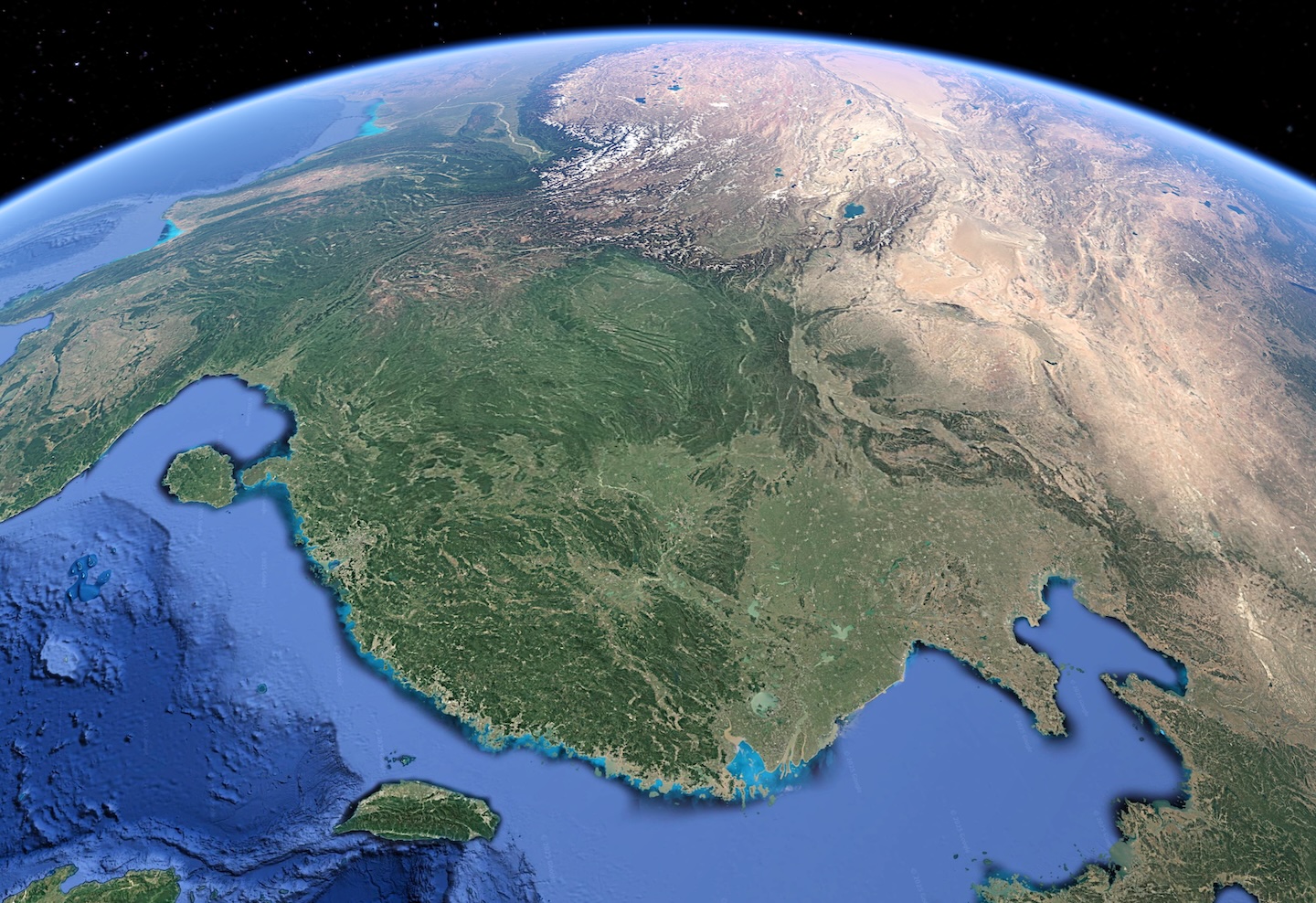
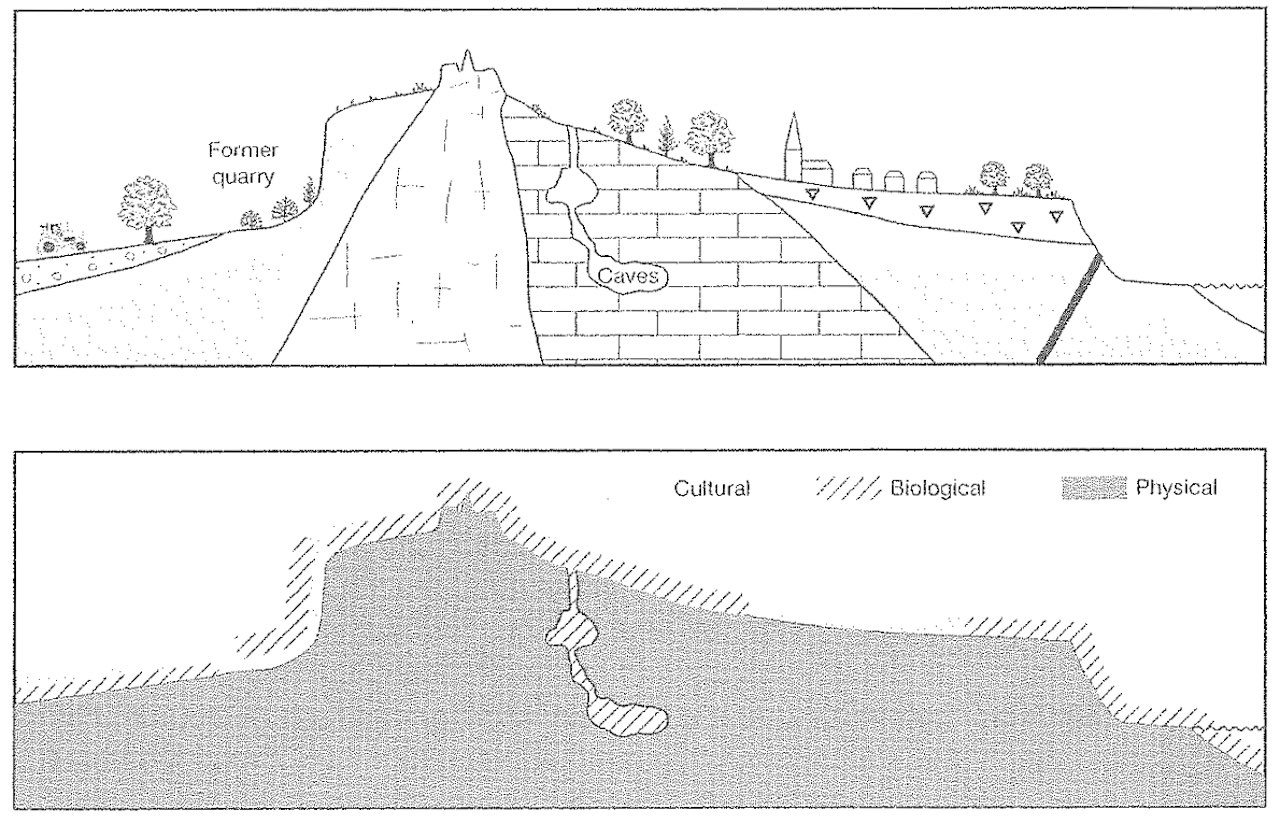
- Consider how physical geography shapes, but does not determine, human action.
- Consider what thinking regionally about China does for us, and assess Harrell’s three-region approach.
- Summarize characteristics and examples of China Proper, Chinese Zomia, and Chinese Central Asia.
Reading
Harrell (2023), Chapter 1
Key concepts
- spatial difference (location matters)
- China Proper
- Chinese Zomia
- Chinese Central Asia
China’s physical geography
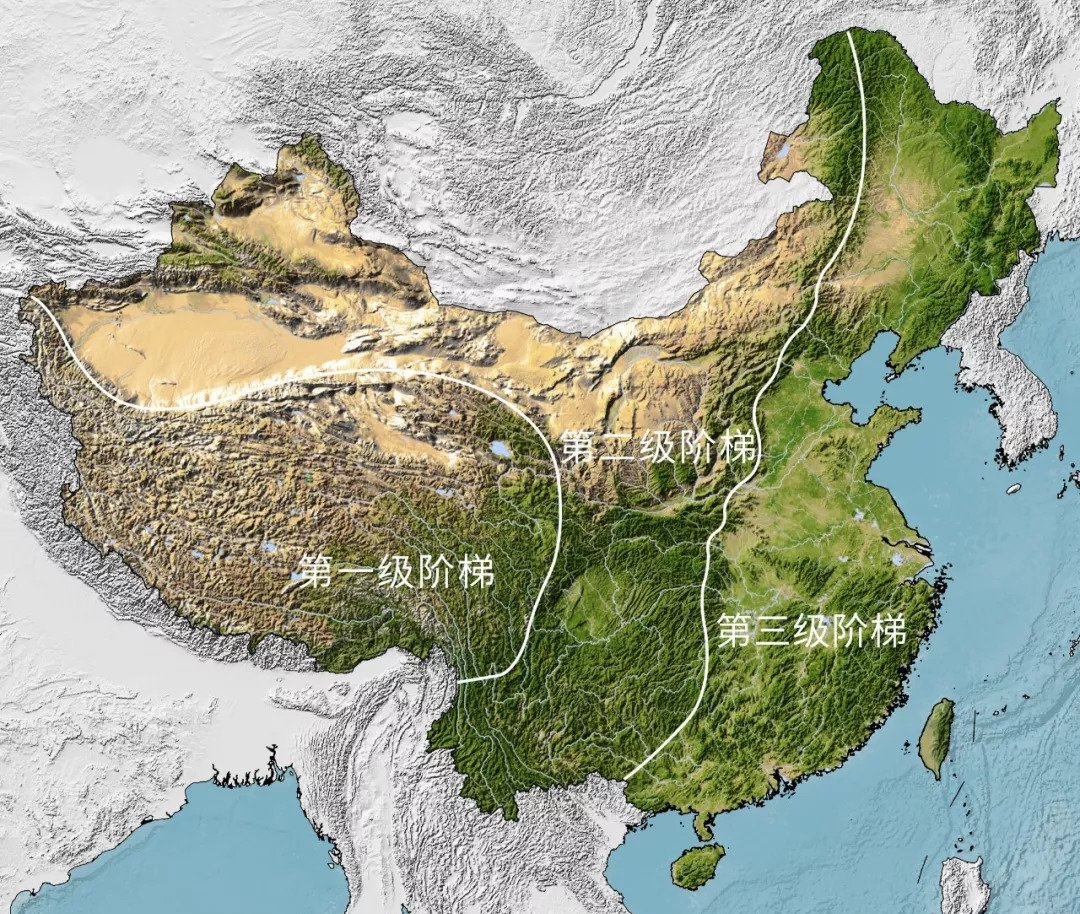
One common shorthand, taught in China’s middle school geography, is that China has a three-step topography:
Problem statements, arguments, evidence
The Reading Strategies guide explains more on this, but one strategic way to read academic work is to first seek out the problem statement (PS) and the argument (ARG) of the text. Without these clear in mind, it can be difficult to tell what supporting information or evidence (EV) to pay close attention to prioritize in the text.
From Harrell’s (2023) Introduction:
- PS “In growing from impoverished giant to wealthy superpower in seventy years, China has sacrificed whatever resilience its ecosystems once possessed.” (2)
- ARG “To answer questions about possible futures, we need to understand the process by which China’s environment has gotten to its current parlous state. Pursuit of this understanding demands a history of China as a system of social-ecological systems, in other words, an ecological history.” (3)
China’s socio-ecological regions (Harrell)
While elevation and landforms is helpful descriptively, it doesn’t help us analyze and understand how things work. We need to synthesize this information with other knowledge and our questions and problems.
What is it we’re trying to understand about China that makes topography and physical geography important? And how might Harrell be helpful?
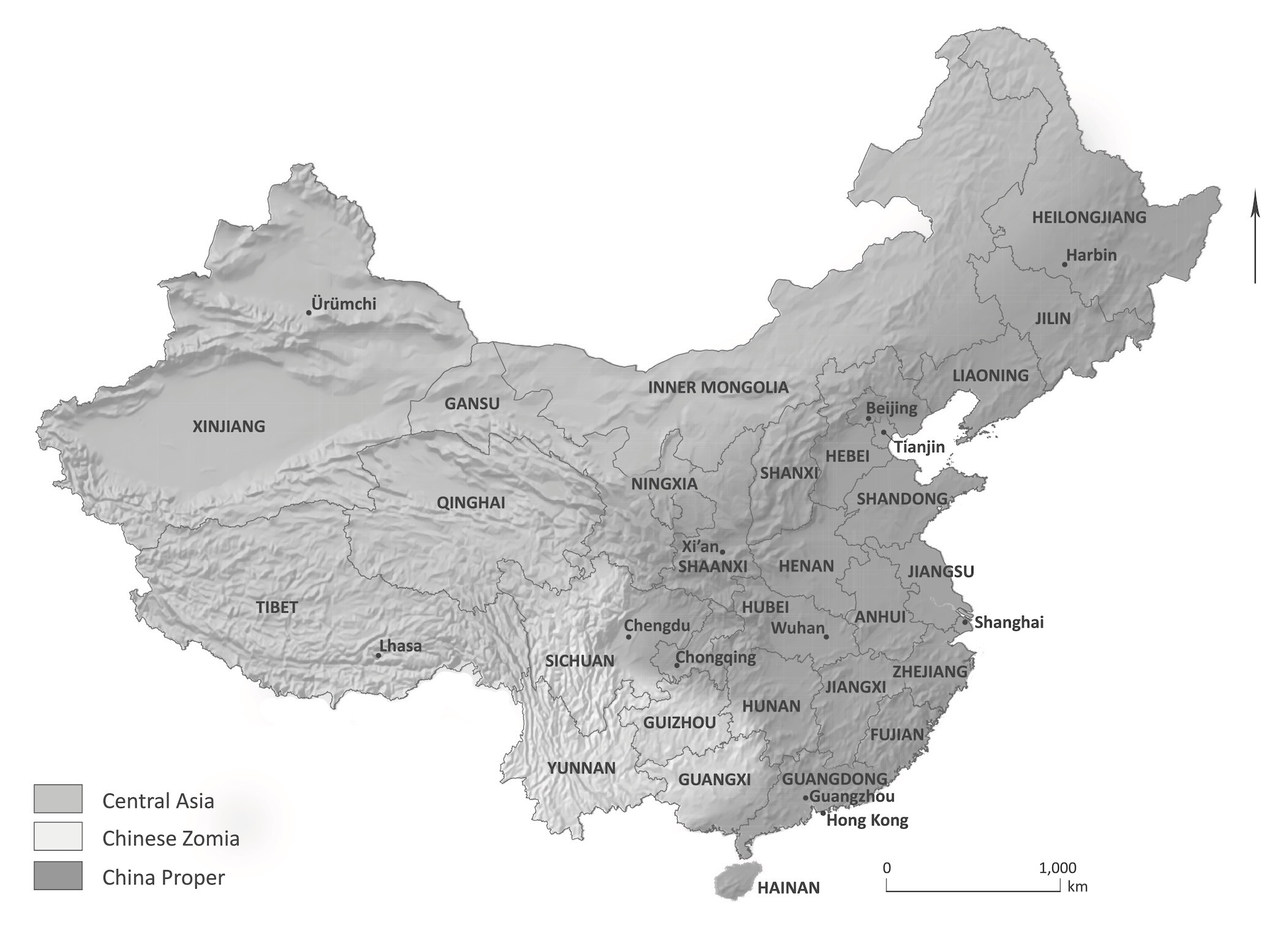
Stevan Harrell (2023) demonstrates a synthesizing approach to China’s physical geography, dividing China into three main socio-ecological zones:
Chapter outline (bold and italics added):
China Proper
- The House
- The Village
- The Village Landscape
- The Town and the Standard Marketing Community
- Ecological Buffers
- Infrastructural Buffers
- Institutional Buffers
- Cultural Buffers
Chinese Zomia
- The Nuosu of Southern Sichuan
- The Akha of Sipsongpanna
- Ecological Buffers
- Infrastructural Buffers
- Institutional Buffers
- Cultural Buffers
Chinese Central Asia
- Ecological Buffers
- Infrastructural Buffers
- Institutional Buffers
- Cultural Buffers
Buffers
Ecosystem resilience depends heavily on buffers or guarantors that can absorb disturbances, so that a system does not easily flip into an alter native state…
- Ecological buffers, such as wetlands, which absorb overflow from lakes or rivers, or forests, which stabilize soil and decrease runoff
- Infrastructural buffers, such as terraces, which allow intensive agriculture but retard erosion, or irrigation water storage systems, which protect against both too much rain and too little
- Institutional buffers, such as kin networks, which share resources in times of scarcity, or governing organizations, which regulate the use of resources
- Cultural buffers, such as moral disapproval of greed, which restrains overexploitation of resources, or beliefs that wasting resources will bring supernatural punishment. —Harrell (2023), 16
Socio-ecological buffers in China’s macroecological zones
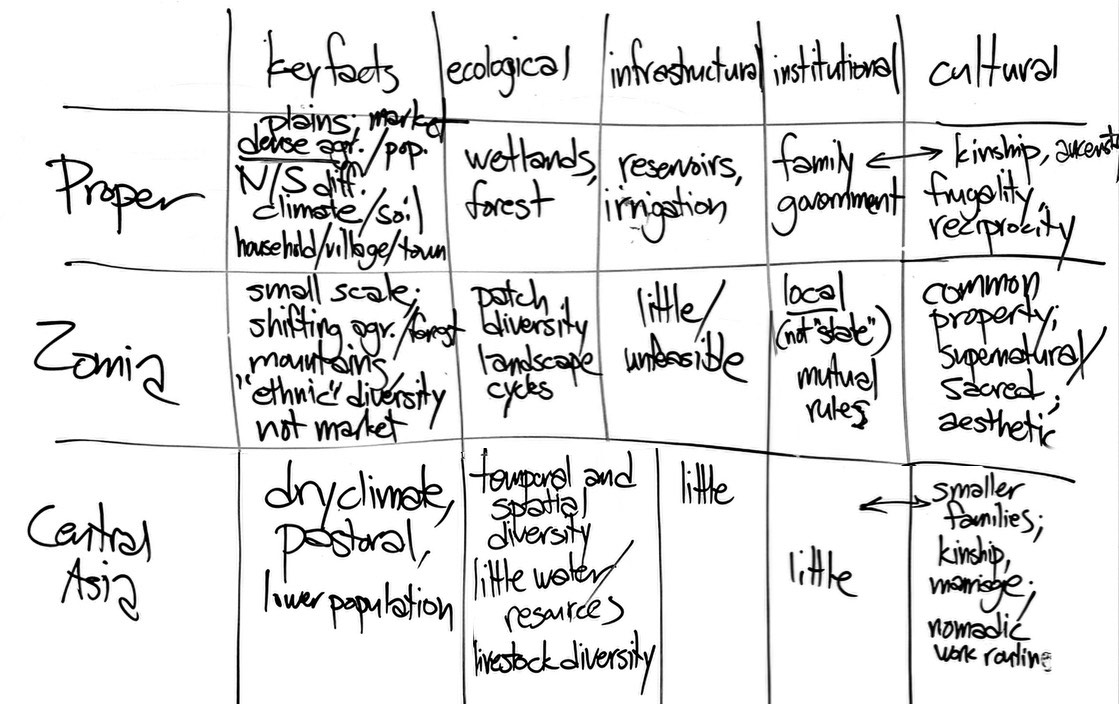
In a small group of 3, explore in more detail one of Harrell’s ecological zones in Chapter 1:
| key facts | ecological | infrastructural | institutional | cultural | |
|---|---|---|---|---|---|
| China Proper (1, 2, 3) | |||||
| Chinese Zomia (4, 5, 6) | |||||
| Chinese Central Asia (7, 8) |
Discussion reference
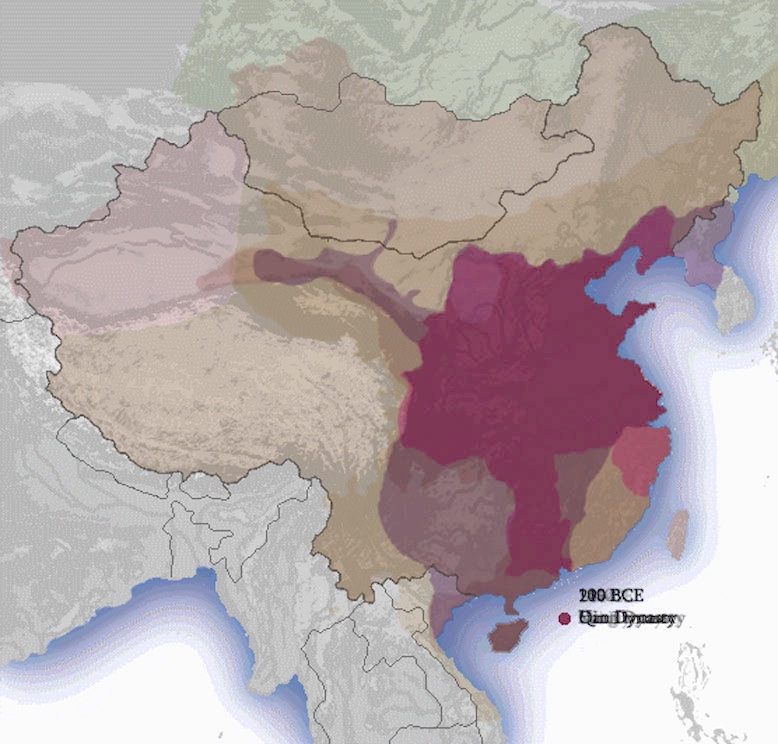
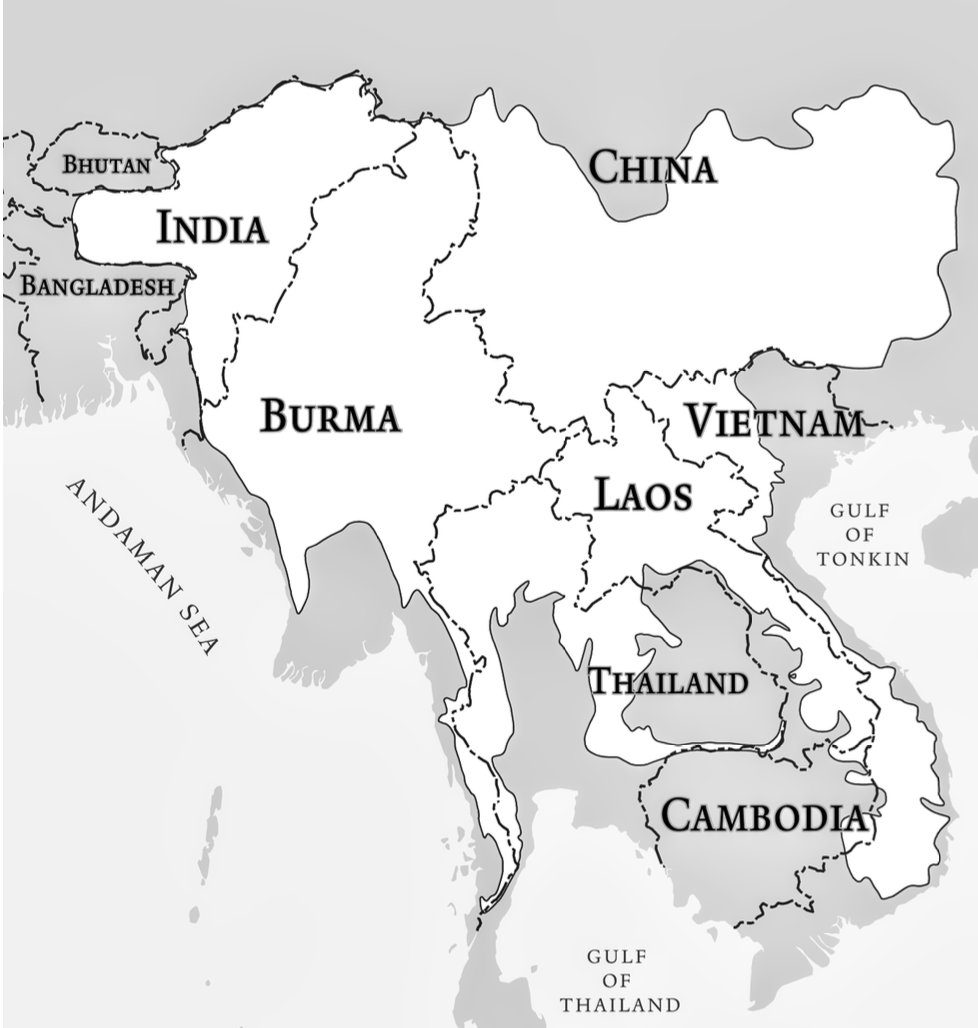
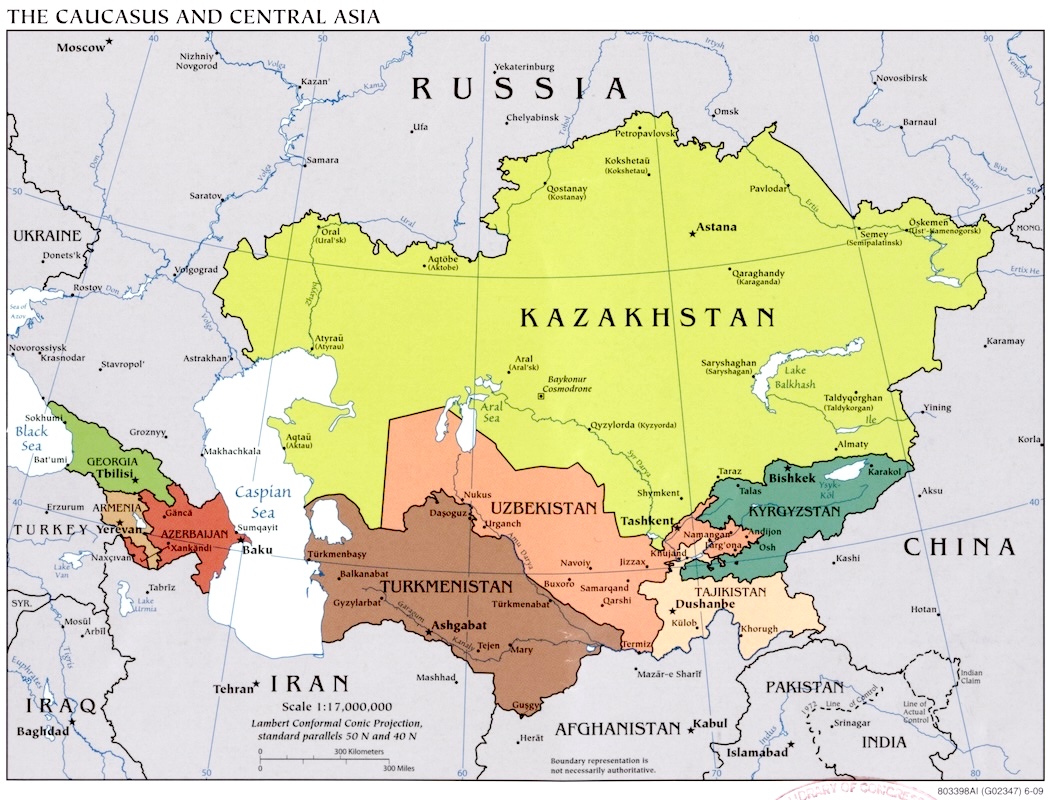
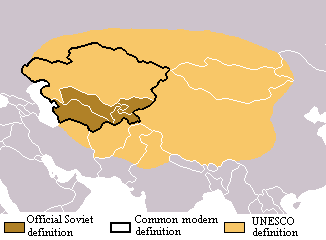
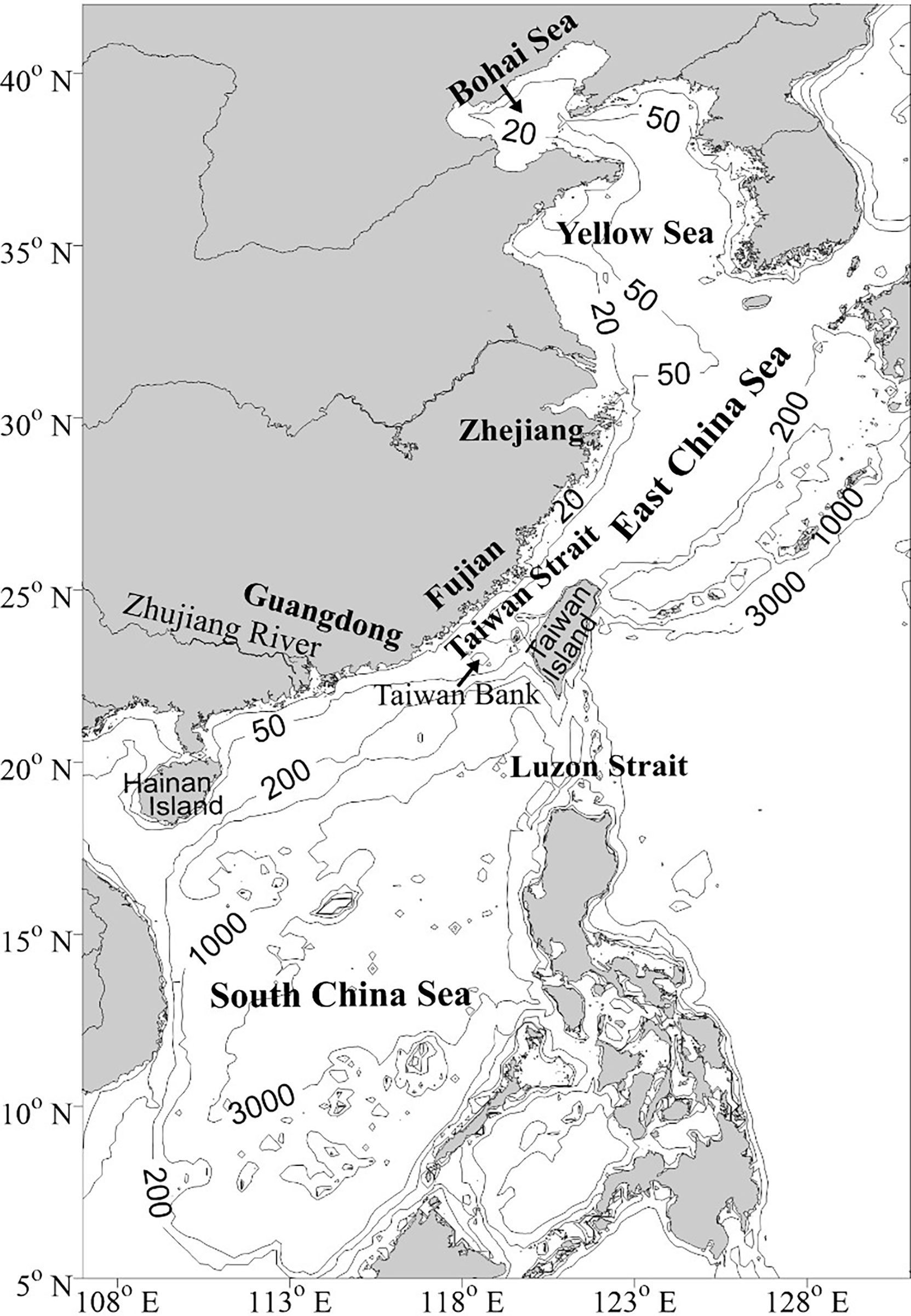
What about oceanic-coastal China?
Seems we can talk about at least one more major zone.
Synthesizing questions
We will often have new ideas and conceptual tools to work with. These synthesizing questions are not homework, but they reflect the kinds of discussion and study questions that you should be able to answer in class or in an exam.
Why think about physical geography?
What is Harrell’s goal in thinking regionally, and thinking about differences across China’s ecological areas?
Wrap up
- Weekly routines
- all assigned readings due before the first class meeting of the week
- Reading Response held in class on the first class meeting of the week
- Synthesis Report(s) on Thursdays (following sign-up schedule)
- Weekly Summary at the end of the last class of the week (short in-class reflection)
- Review assignments due (see Schedule)
- Consider applying Reading Strategies to next assignment:
For next class
- Read Pietz 2015, Introduction, Chapters 1 and 2.
- Read with two “eyes”: Get a sense of the overall historical story Pietz is framing, but also read for the concepts he uses to analyze this history.