2.1 Yellow Earth
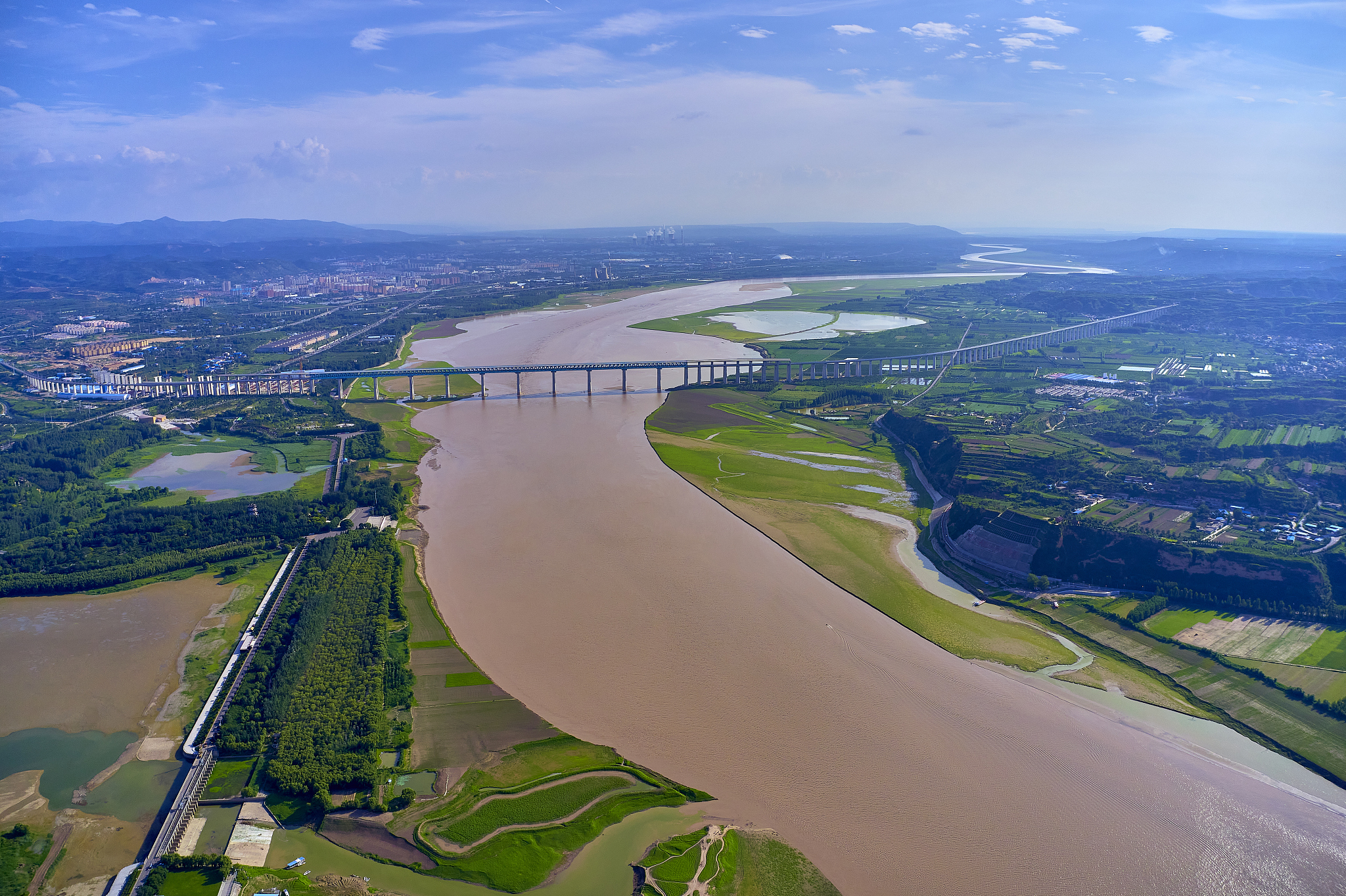
Yellow River, Sanmenxia City, Henan. Source.
Today
- Think analytically with the lessons from Harrell (2023) about China’s socio-ecological regions.
- Identify the goals, structure and key terms of The Yellow River (Pietz 2015).
- Frame the history and physical geography of China Proper in an environmental history of the Yellow River.
- Discuss ecological breakdown and the impact of human action in the transition from imperial to modern China.
Reading
Pietz (2015), Introduction,
Chapters 1 and 2
Key concepts
- The Yellow River (West-East, South-North differences)
- North China Plain
- Loess Plateau
- environment-society relations
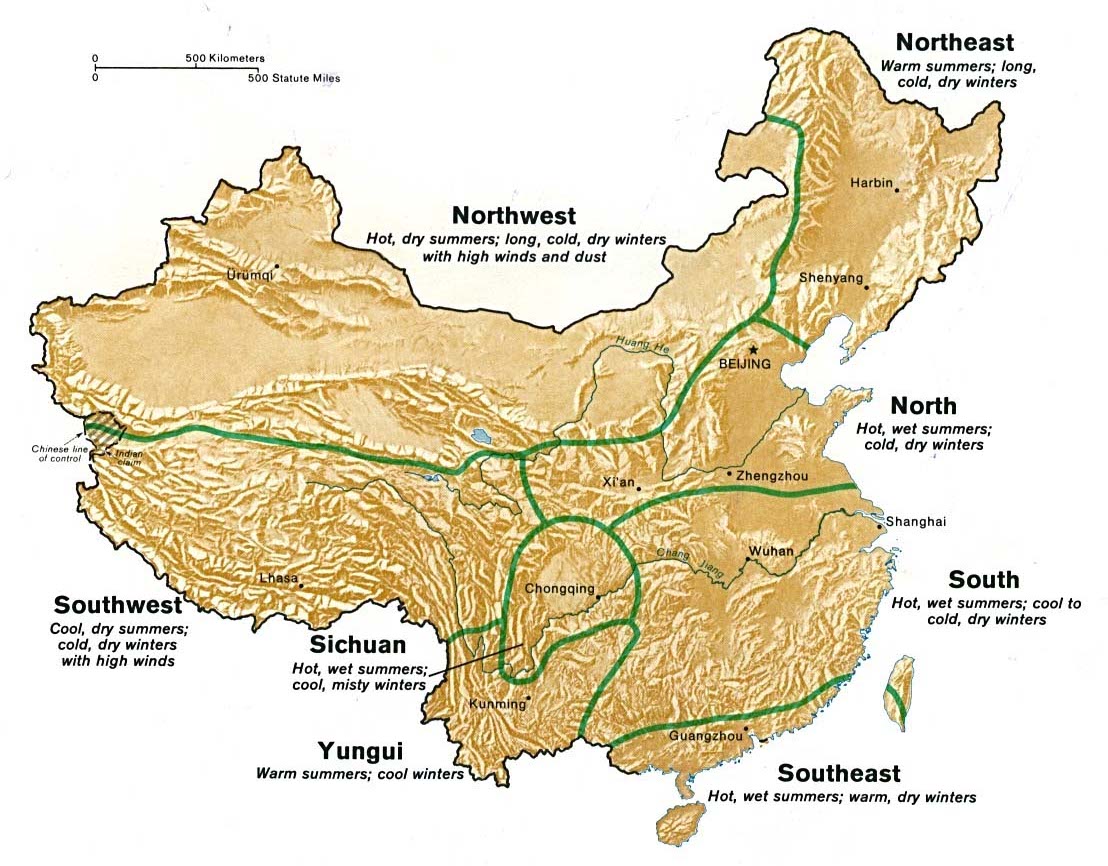
Completing Socio-ecological buffers in China’s macroecological zones
Reading Response
Today’s Reading Response is a trial run, a chance to see what the weekly prompts will look like. It should help you calibrate your reading and PDF annotations for class. Let’s first review the Reading Responses assignment.
In these opening chapters of The Yellow River, David Pietz introduces the book, and covers key aspects of physical geography (Yellow River, North China Plain) and late imperial history of water management (since 1500 or so). Our first goal in reading for the course is to develop a big picture of the text, a sense of how it is structured and what it’s overall goals are. Two questions we’ll often begin with are: What is the author’s problem statement? and What is the author’s argument?
- The Yellow River
- 黄河
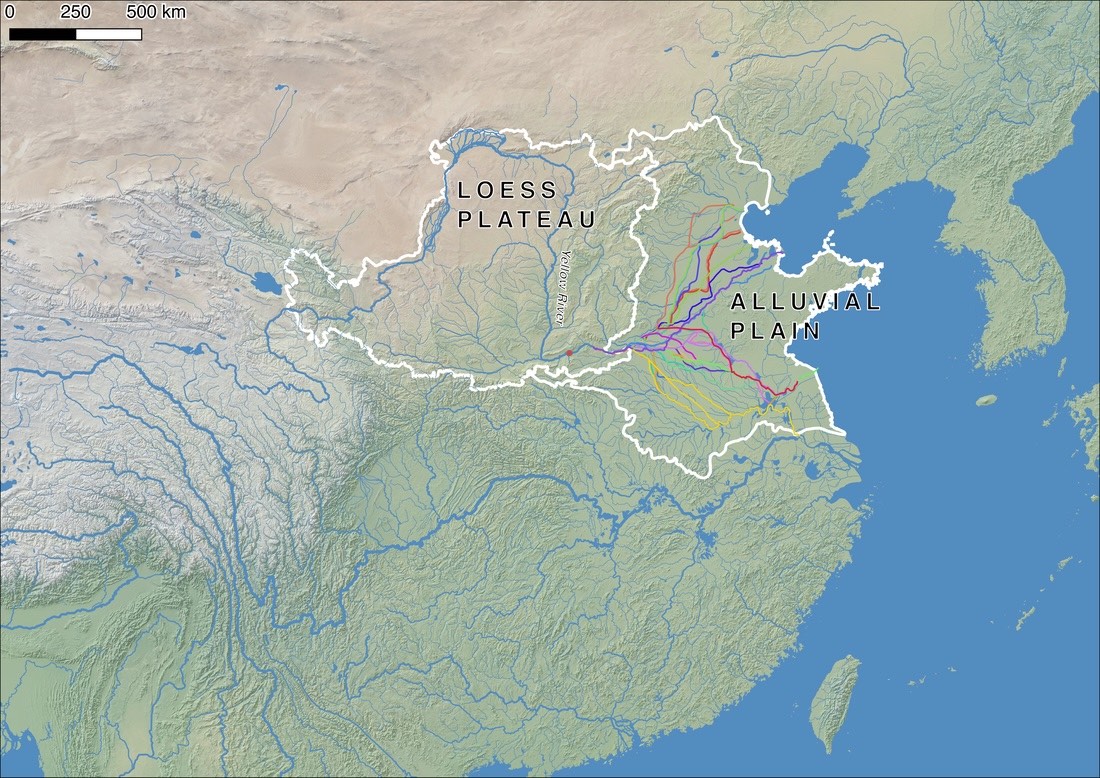
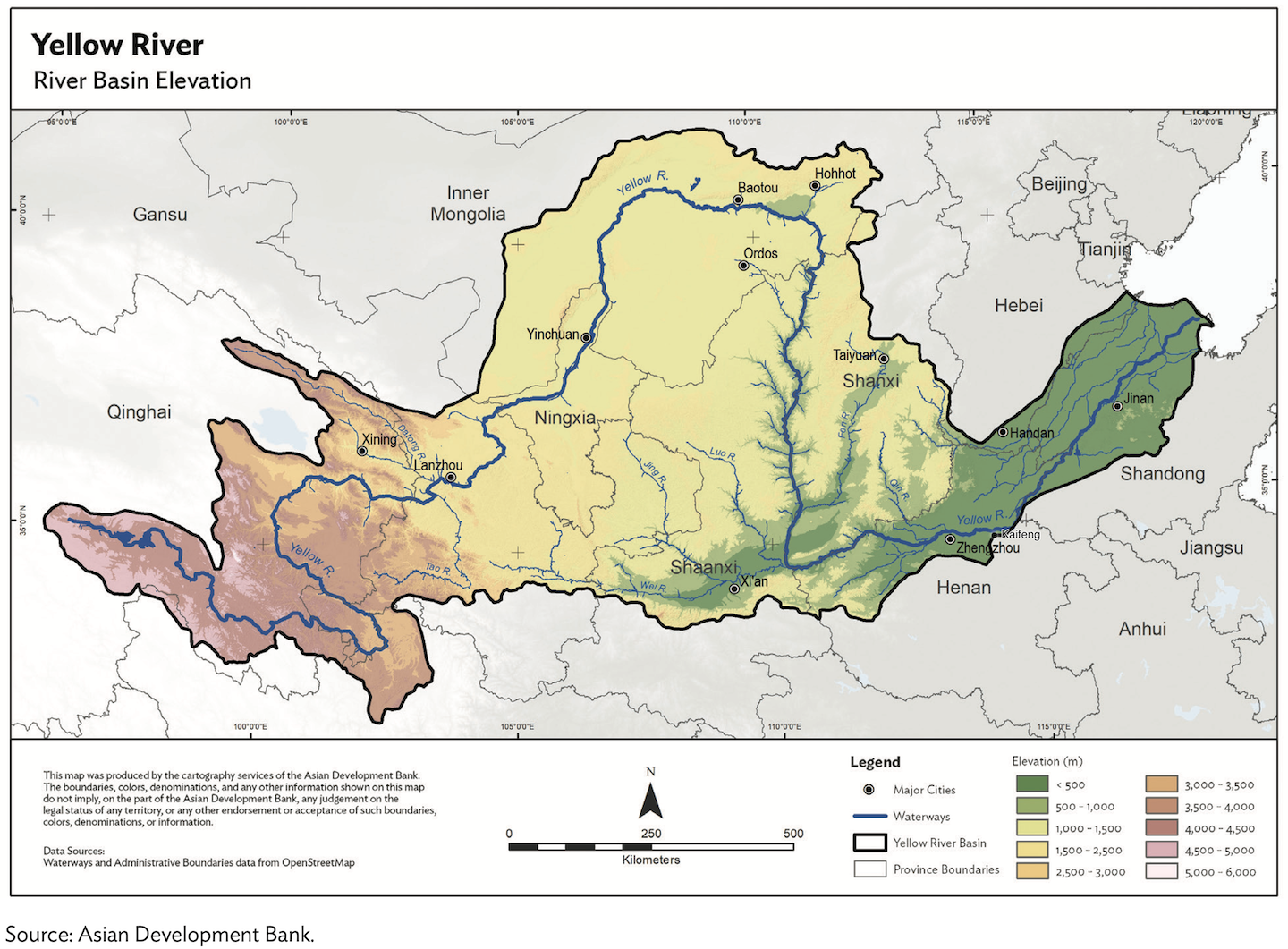
- China’s second-longest river (after the Yangtze), taking its name from the yellow-brown silt it carries, eroded from the Loess Plateau, deposited over the North China Plain, and emptying (sometimes) into the Bohai Sea
- North China Plain
- 华北平原
- a large alluvial plain on China’s central coast built up over millennia by the Yellow and Huai Rivers, and known for its yellow soils and ancient archaological sites (the “cradle of Chinese civilization”)
- Loess Plateau
- 黄土高原
- a large plateau in north-central China formed by the deposition and erosion of fine wind-blown dust known as loess (from the German löss in German, 黄土 in Chinese)
Introduction to The Yellow River by David Pietz
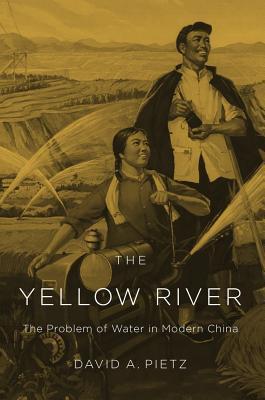
The Yellow River: The Problem of Water in Modern China
- Introduction
- Chapter 1: On the Ecological Margins
- Chapter 2: Management and Mismanagement in the Imperial Period
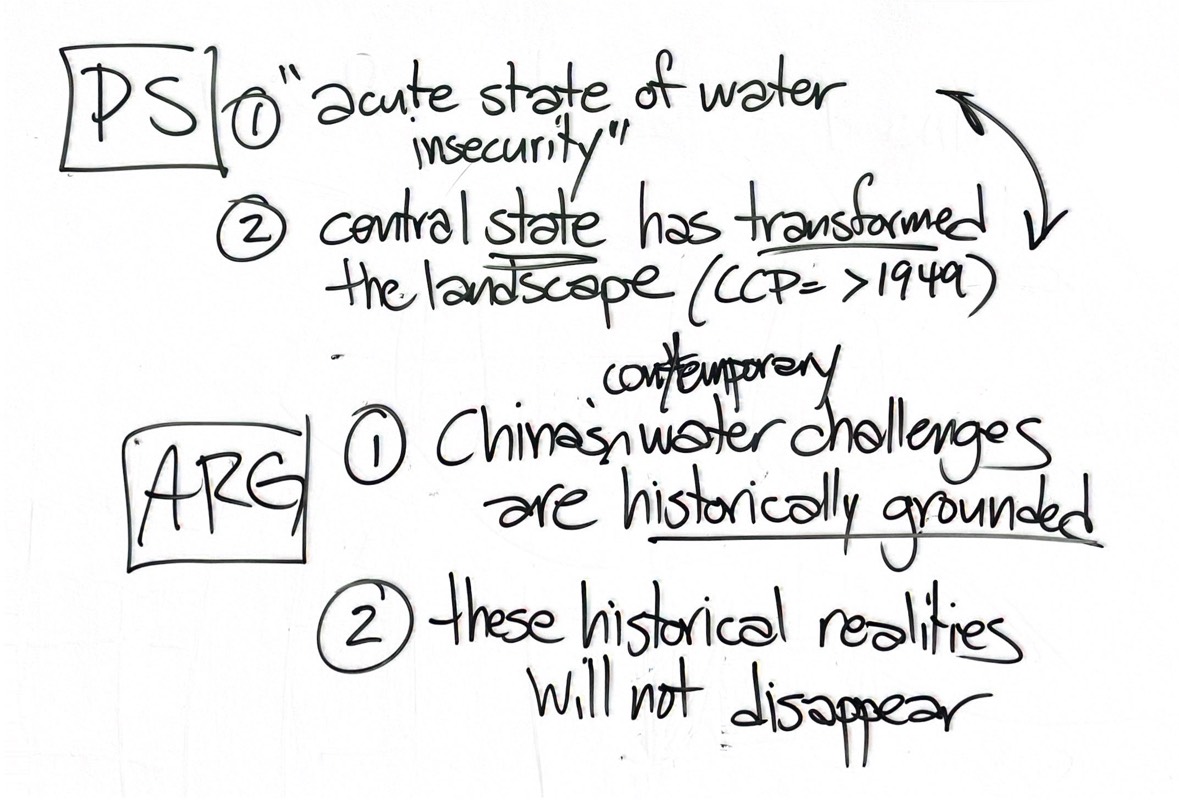
What are our goals in reading the book?
What is Pietz’s goal in the book? How can we clarify his structure for our own benefit, to make our reading more efficient and effective?
- Can we identify a problem statement (PS)?
- Can we identify the core argument of the book (ARG)?
- environment-society relations
- both the phenomena and the study of the dynamic, mutually-influencing actions of the biophysical world and humans over time
- contrast with more one-sided approaches such as human technological dominance over nature or environmental determinism
Yellow River: West-East, South-North
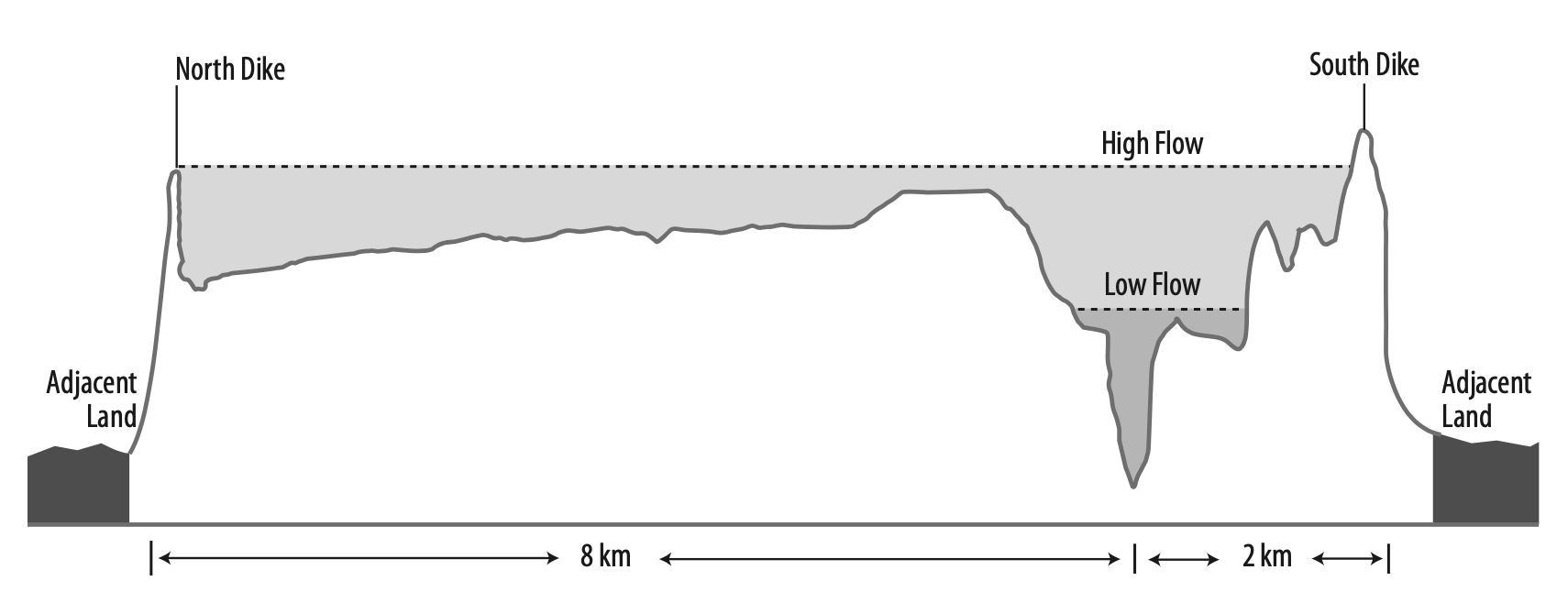
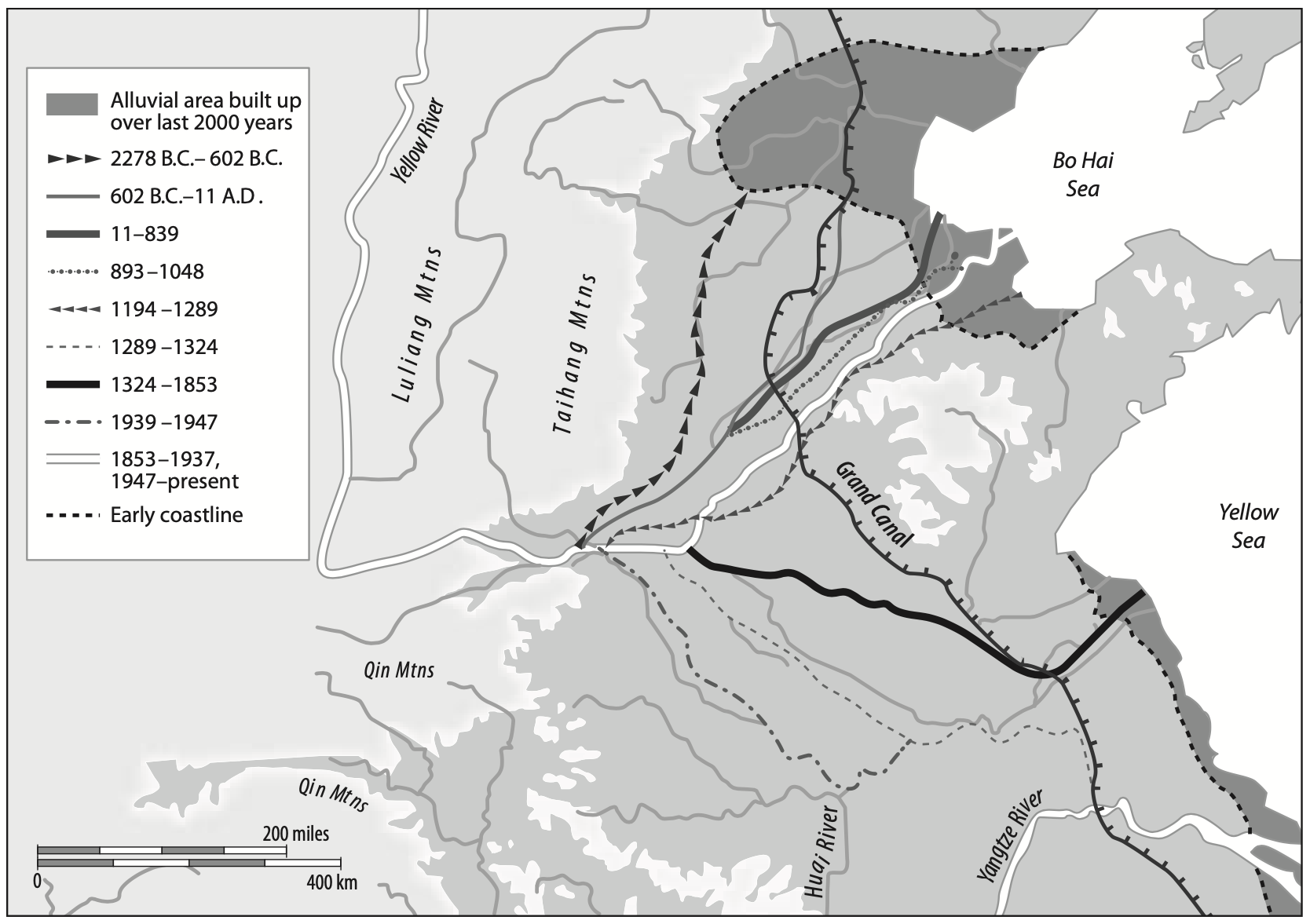
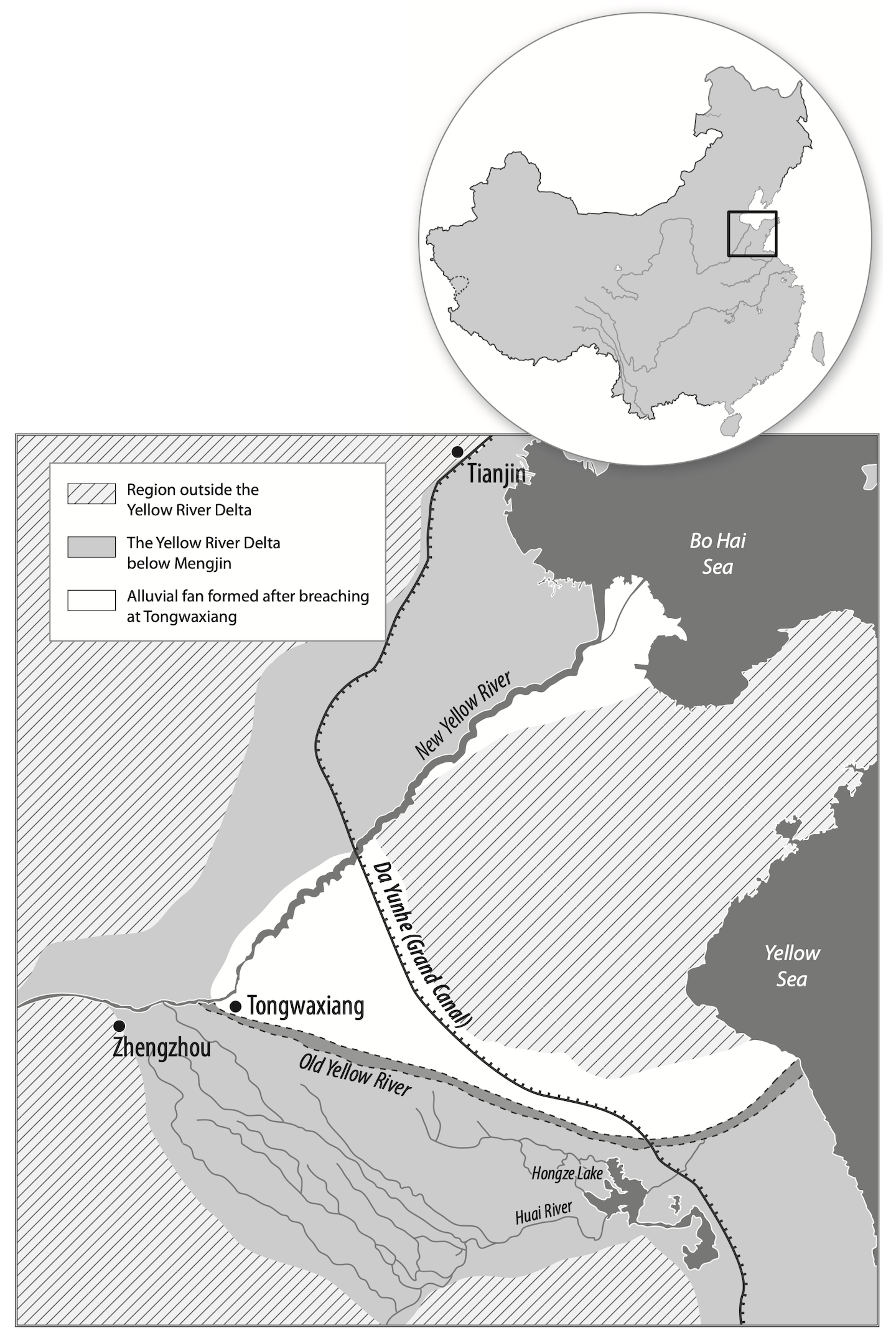
In your discussion group go to your section in Chapter 1 and pull out key ideas and facts about your “part” of China, as Pietz introduces the Yellow River.
We’ll collect and map these briefly, and then discuss how these details relate to Pietz’s overall goal in the book, as well as our own goal in developing a spatial understanding of China.
1: West & East
2: South & North
Discussion Reference
Wrap up
For next class
- Return to the Pietz chapters for this week and trace the development of the idea of a technology complex. This is a key theoretical concern for the book, and is useful for us in thinking about environment-society relations along the Yellow River over China’s imperial history.