7.2 Discussion
National Landscapes
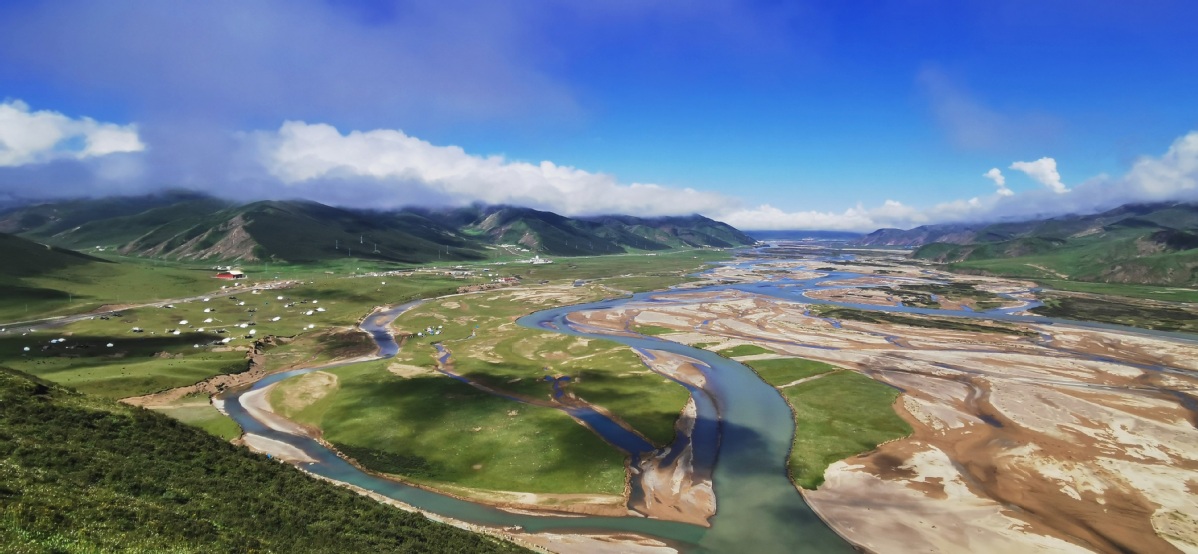
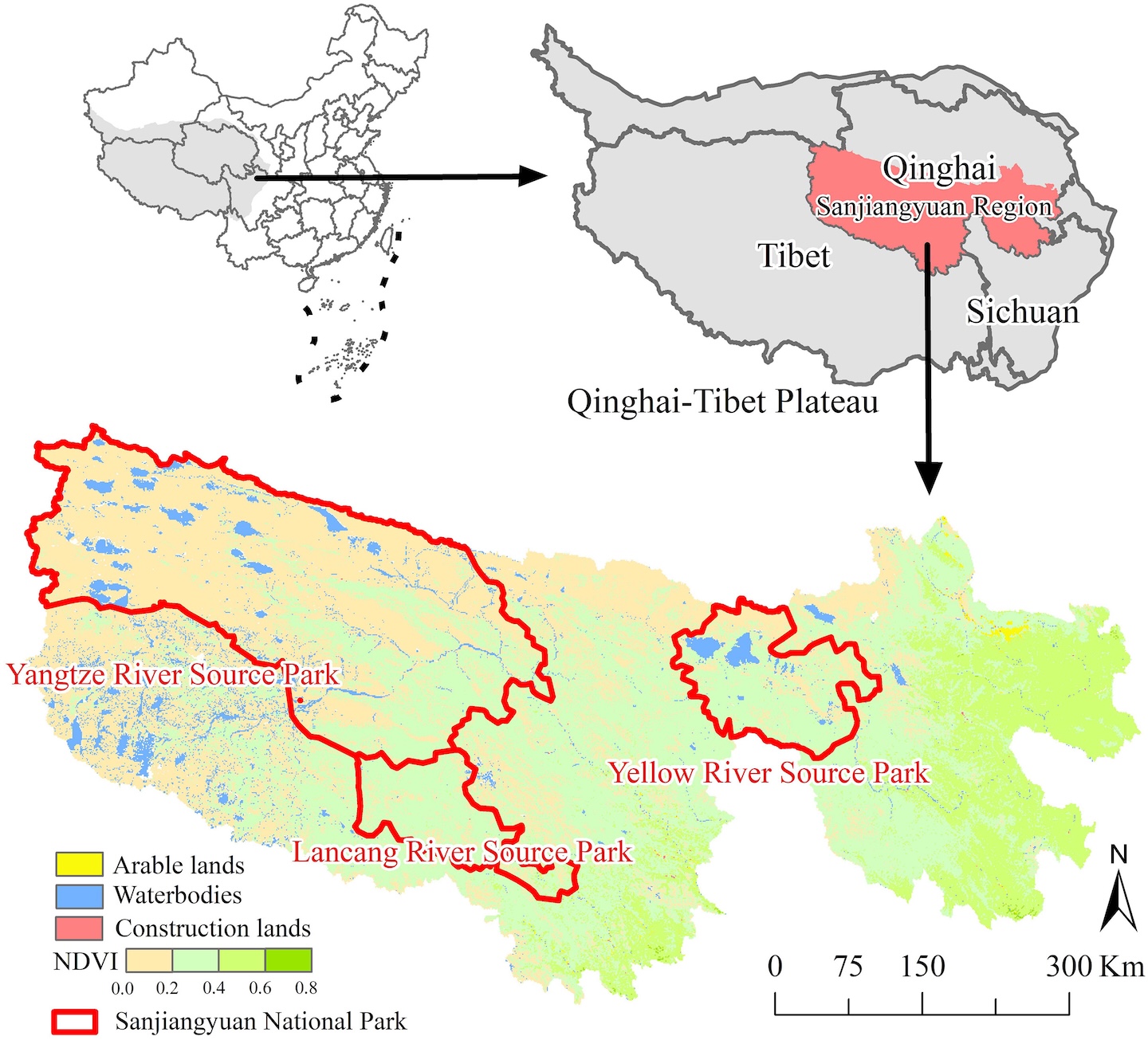
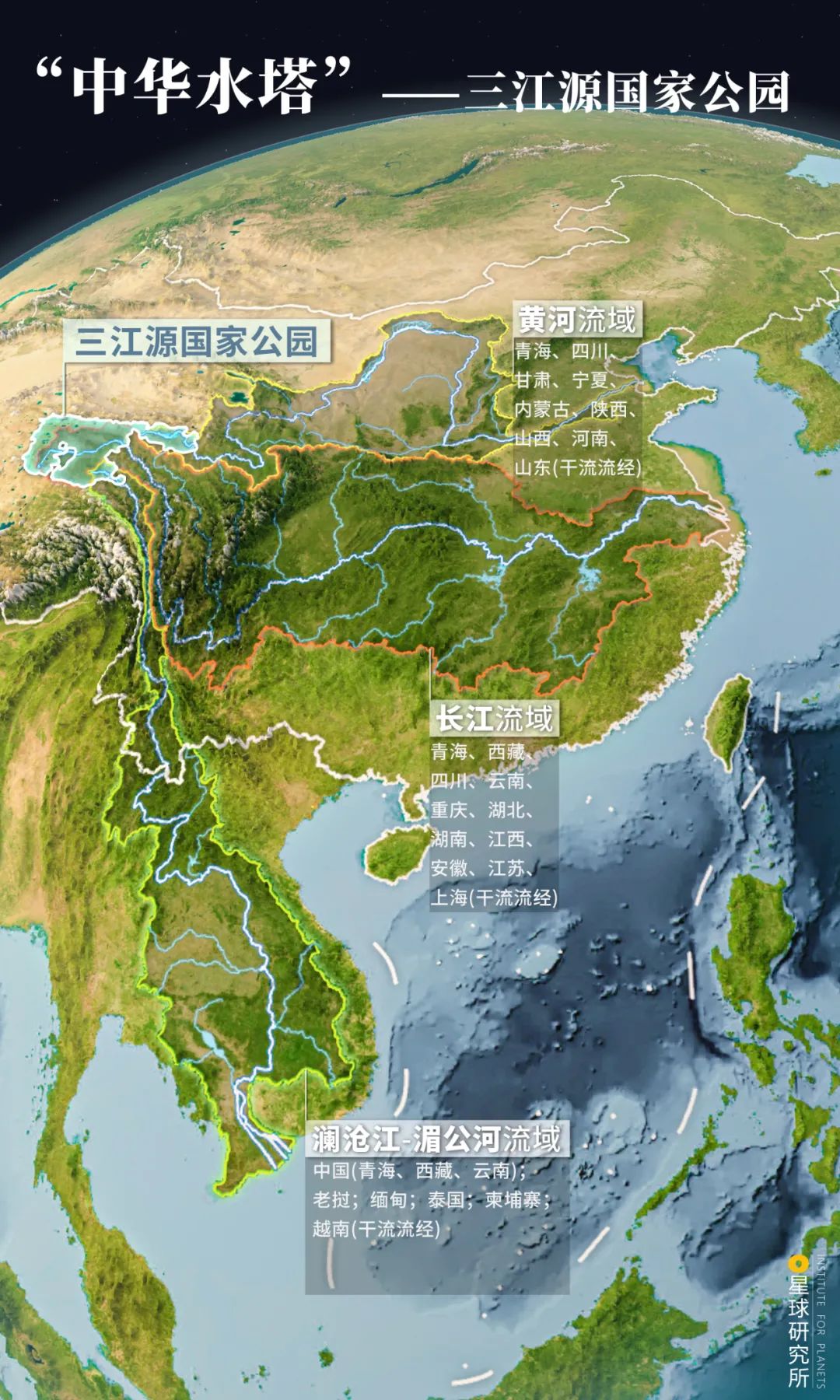
Sanjiangyuan National Park. Source.
Today
- Continue the discussion of a “national landscape,” and the role that heritage plays in the concept.
- Explore the role that tourism plays in making and maintaining national landscapes.
- Compare the underlying strategies of both red and green tourism.
Reading responses
Red & green tourism
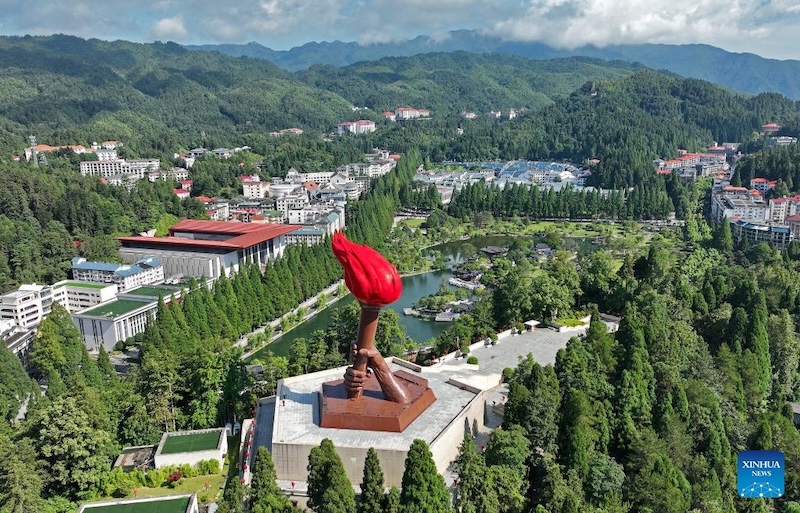
red tourism 红色旅游
the promotion and experience of important sites of China’s revolutionary history, particulary that of key figures and events in the Communist Part of China’s history; a state project of “patriotic education” and extension of heritage from; a way of experiencing or participating in the nation
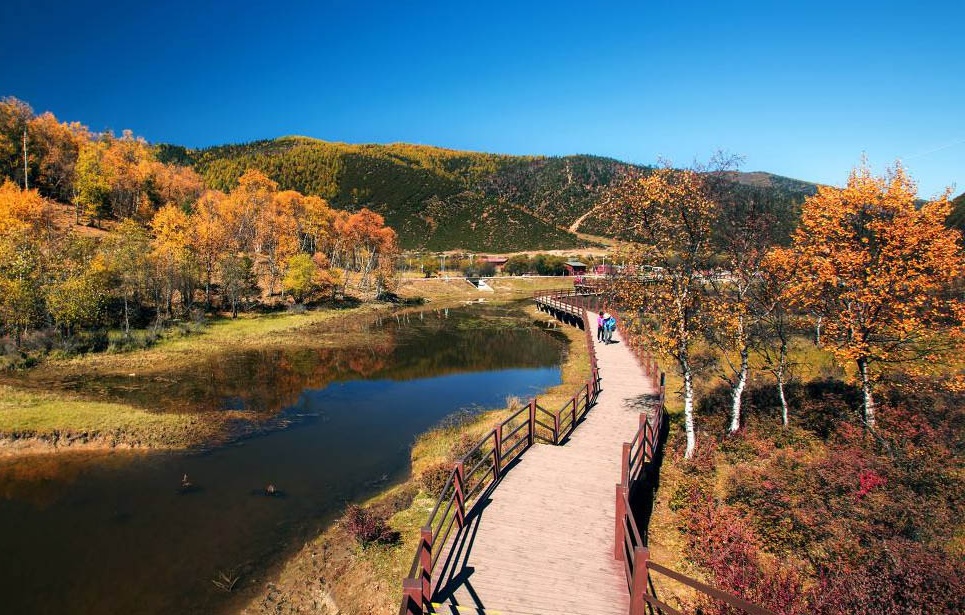
green tourism 绿色旅游/生态旅游
ecotourism, nature tourism, natural (and national) beauty
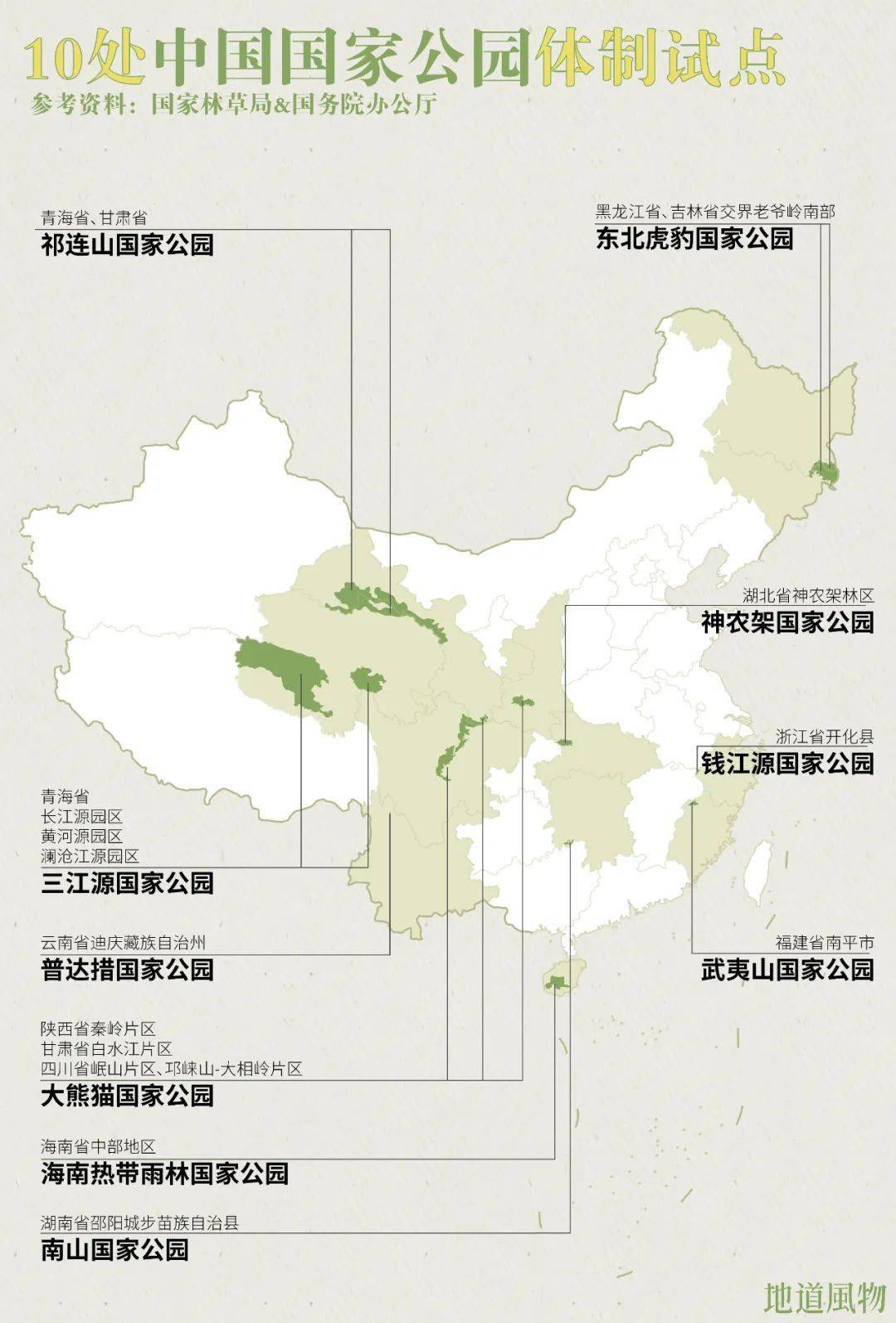
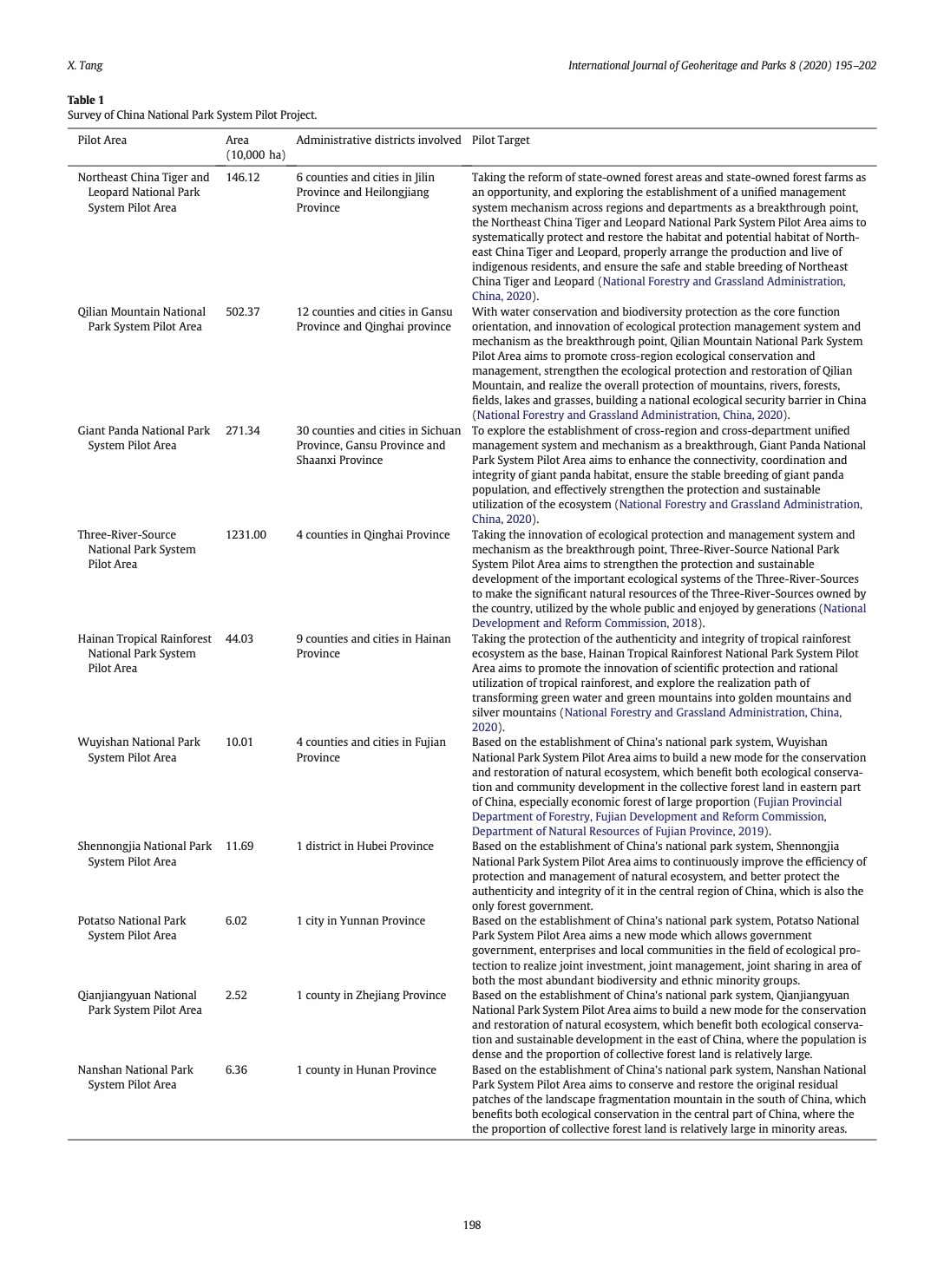
Green tourism and national parks
A quick look at Wang (2019) (PS, ARG)
Synthesis reports
- Sunny S.
- James S.
Territorialization
Territory requires territorialization: It needs to be thought, calculated, performed, and defended. It needs to be made and maintained.
Territorialization functions as a mechanism for maintaining social and political order, for example:
- by ordering state/society relations
- by defining national borders (inside/outside the country)
- by defining internal borders, both in terms of administrative territory and in terms of citizenship and community (inside/outside the desired society)
The cartographic and legal results of territorialization require the making and maintenance of social and cultural borders. National territory requires a nation.
National landscape as territorialization
We’re going to put the concept mapping approach (see 6.1) to use again, today around the idea of national landscape as a process of (re)making territory.
Working closely with your group, create a concept map that integrates both Denton (2013) and Wang (2019) into a conceptual map of how both ideological and material changes generate national landscapes. (Follow the overall structure of the whiteboard example.)
Between the 2 authors, we have 5 examples (3 for red tourism, 2 for green tourism) to work with. Each might might help provide insight into how the state is involved in making ideological and material changes that shape natioanl landscapes, and therefore national territory.
Wrap up
- Mid-Semester Reflection coming up (due next Wed), with optional Mid-Semester Conferences next week
For next class
- We’re reading more deeply into the question of nation and territory, turning to the role that history played and plays in connecting ideas of China with territory. Think about how these ideas might be expressed or reflected in national landscapes we discussed this week.