7.1 National Landscapes
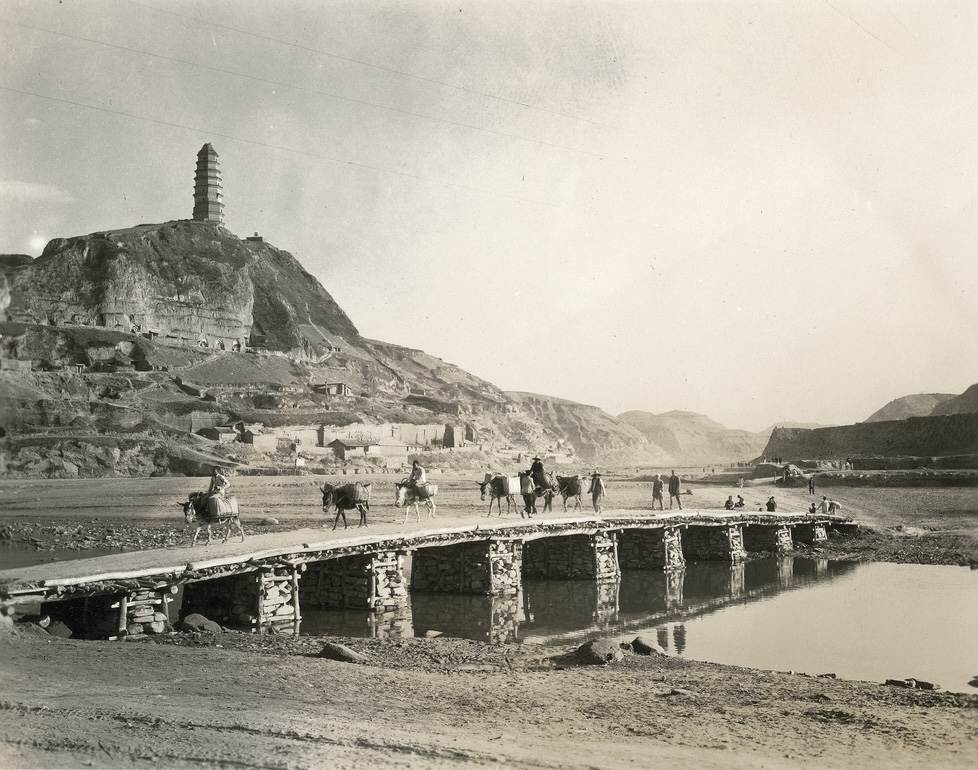
Yan’an, Shaanxi Province, c.1944. Source.
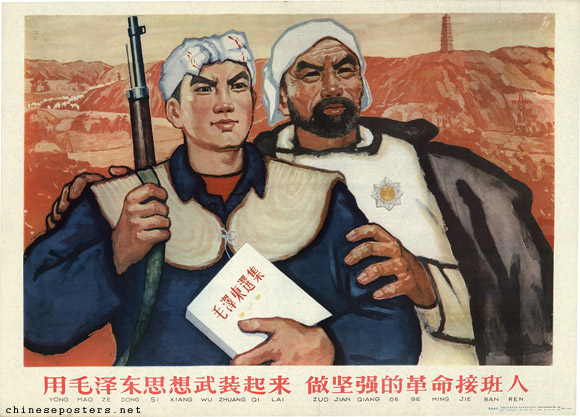
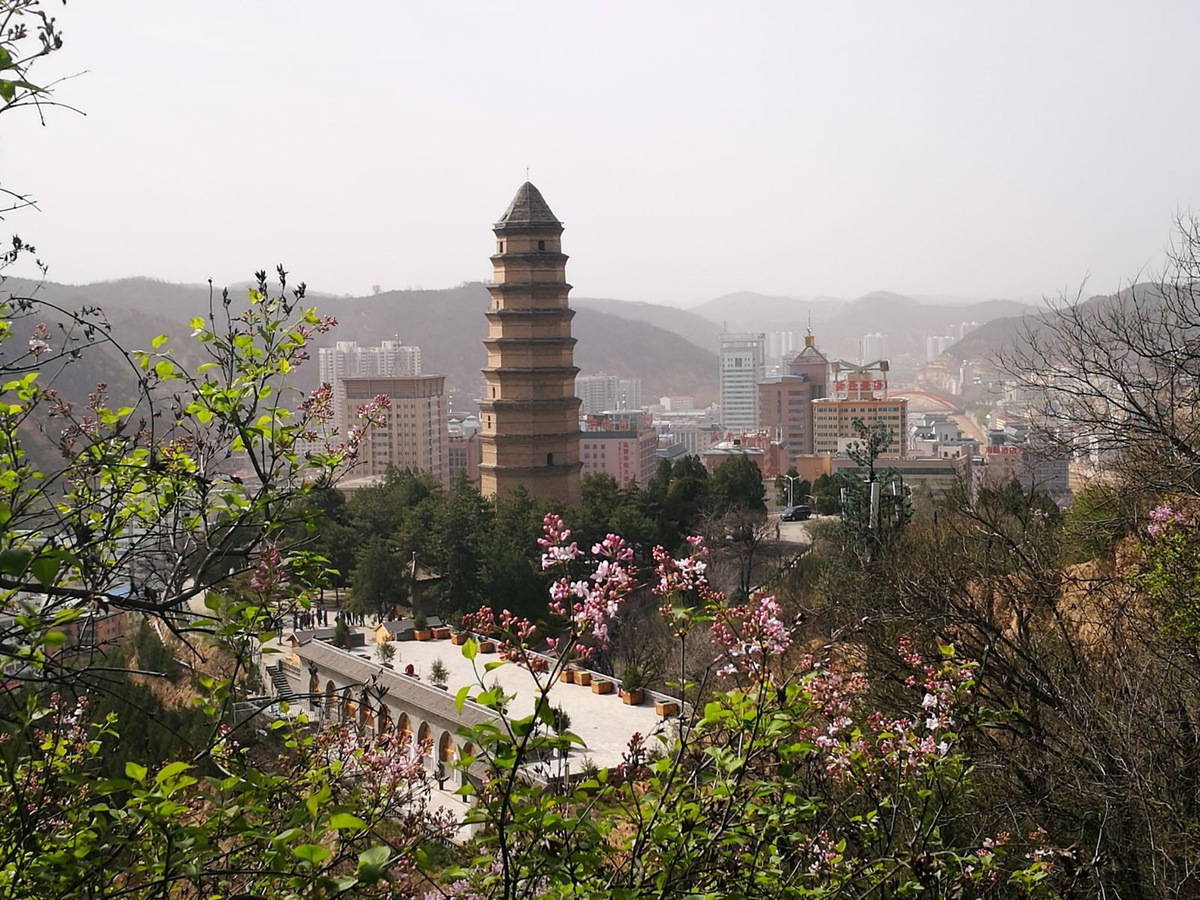
Today
- Continue the discussion of place and territory in China, today discussing the idea of a “national landscape.”
- Compare the underlying strategies of both red and green tourism.
- Explore the role that tourism and heritage play in making and maintaining national landscapes.
Reading Response
National landscape
- national landscape
- land linked culturally and historically to a national idea (often by the state) an emotional attachment to and aesthetic symbol of a state’s spatial authority a formal category for a protected area in England, akin to “national park”
Examples: the American west, the English countryside, Mt. Fuji in Japan
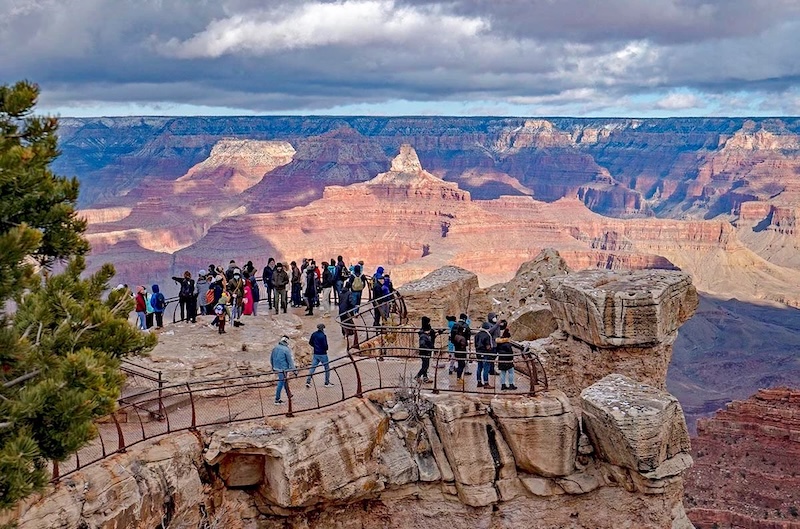
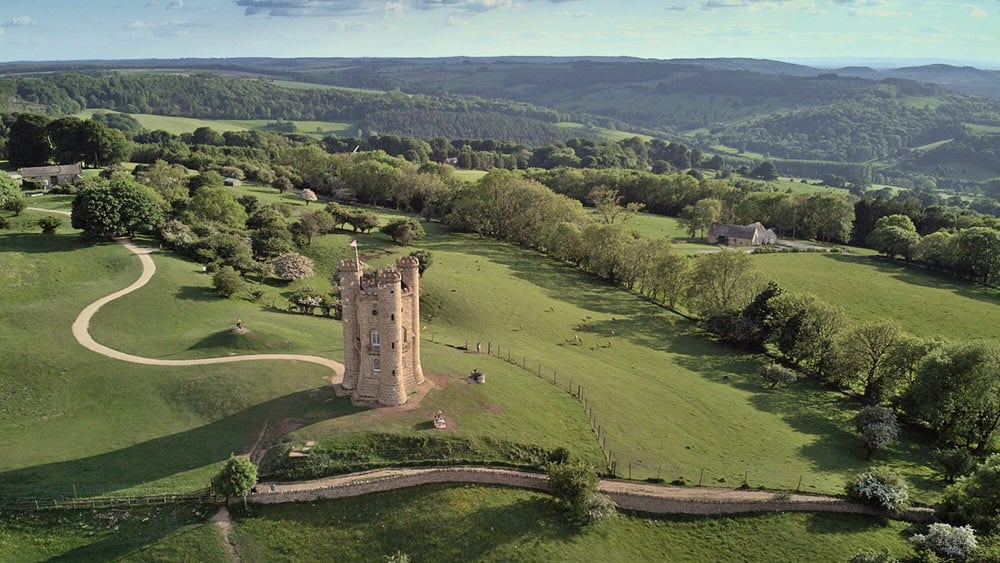
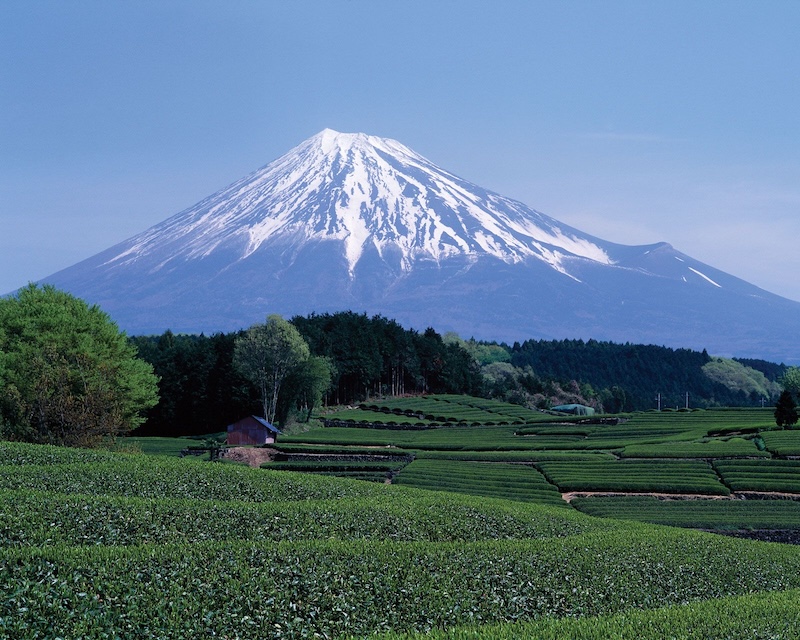
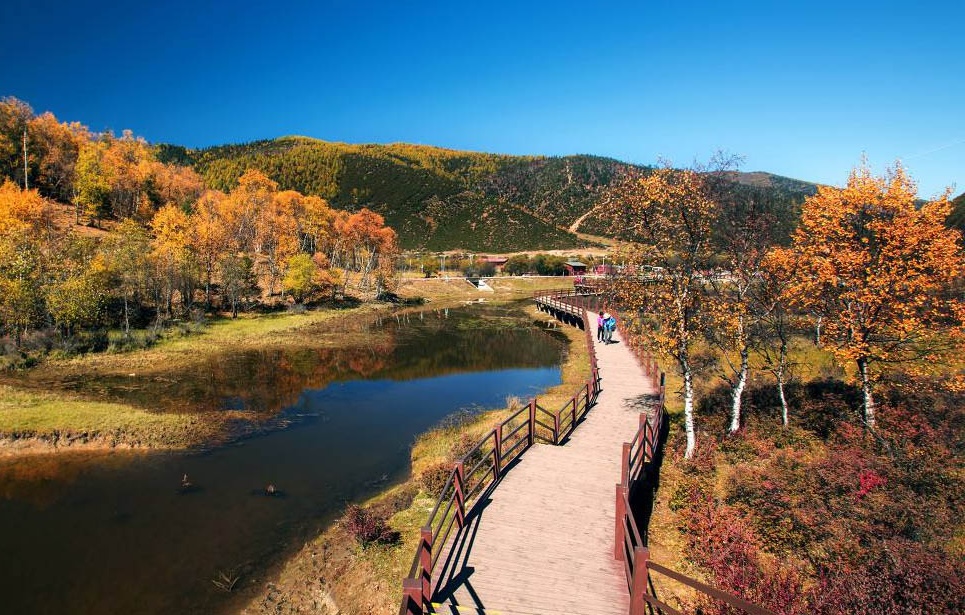
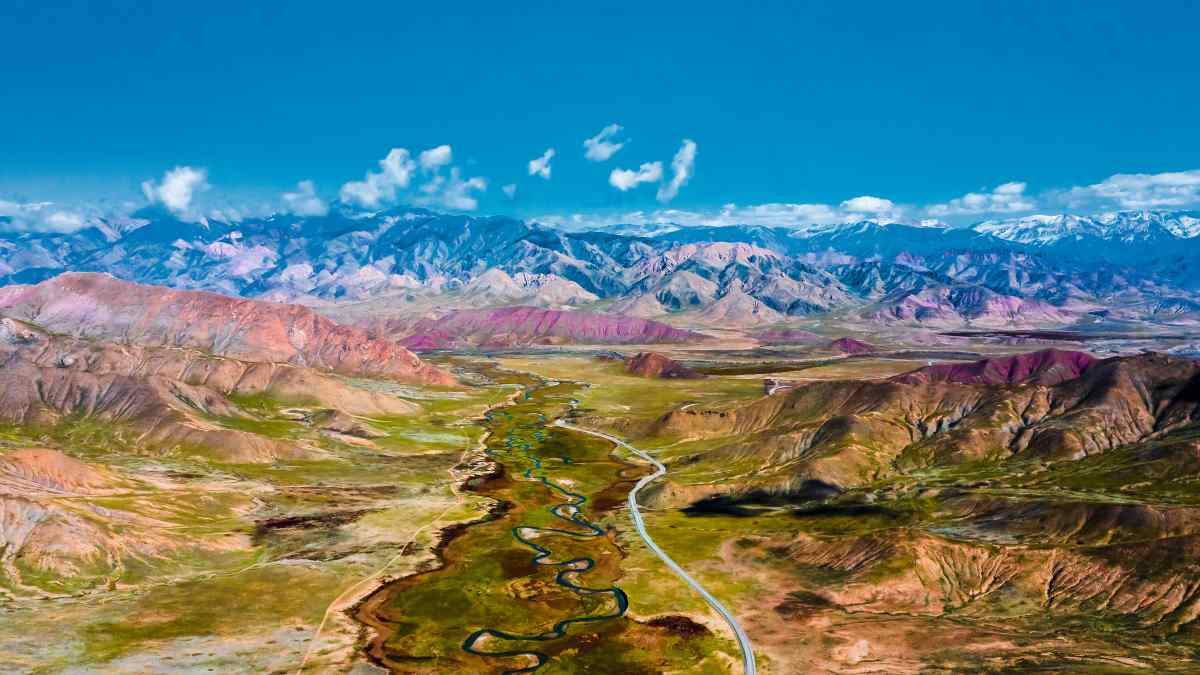
But where in China?
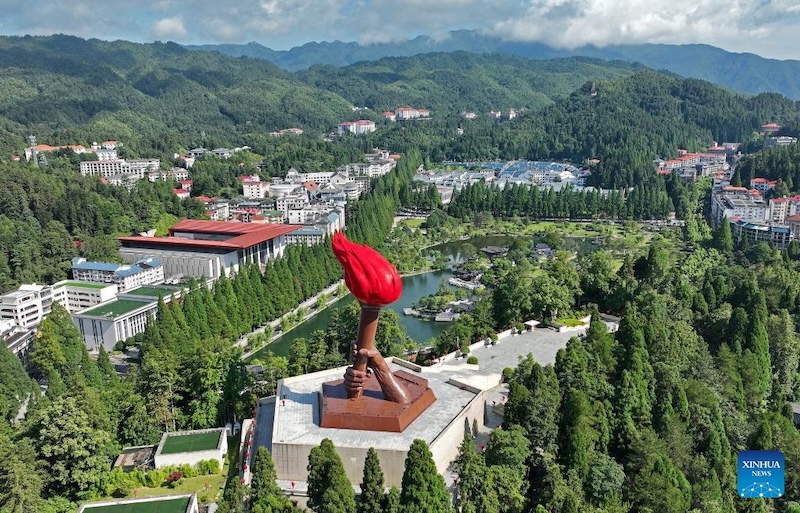
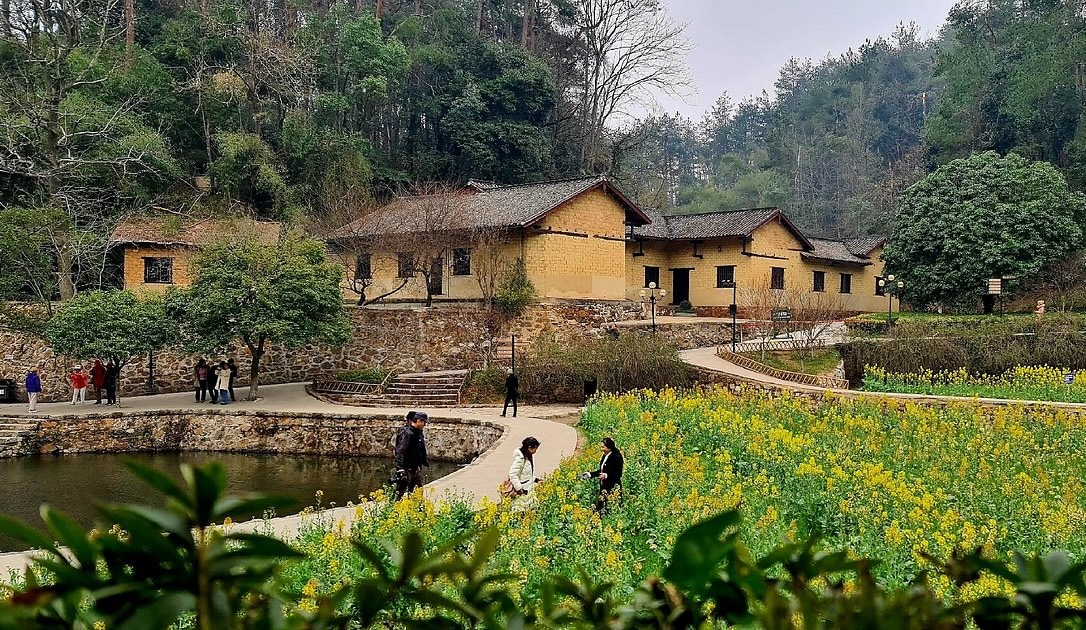
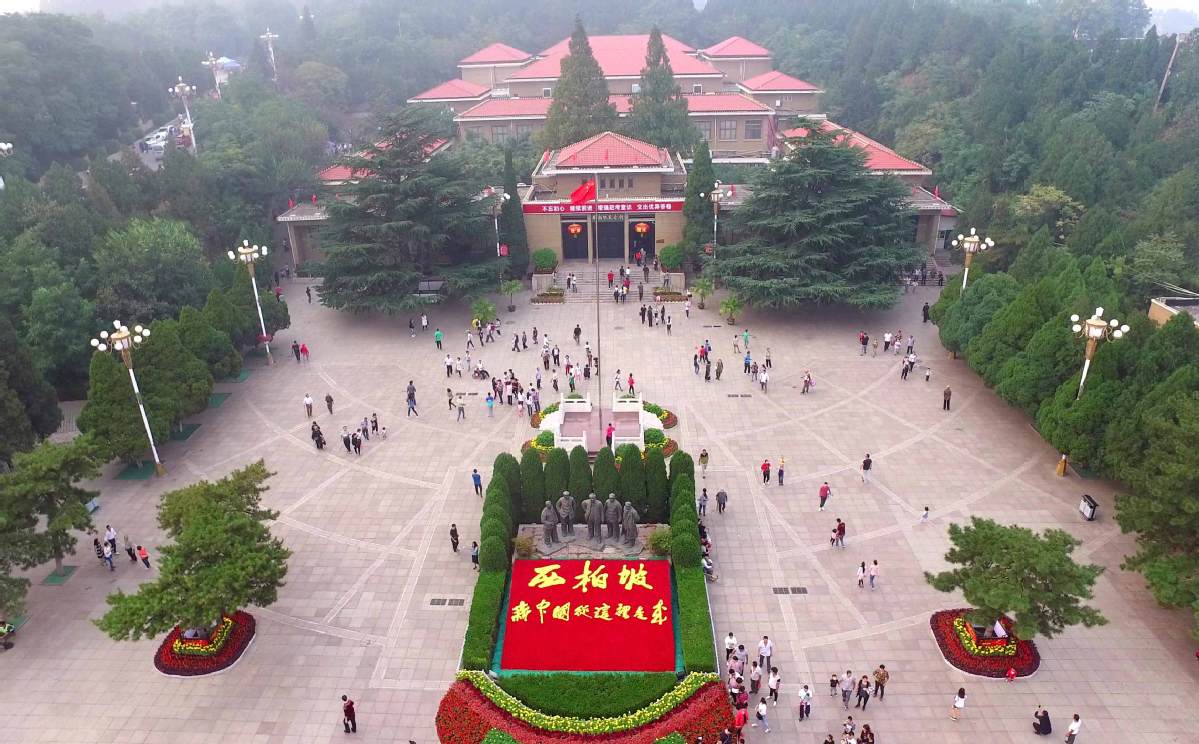
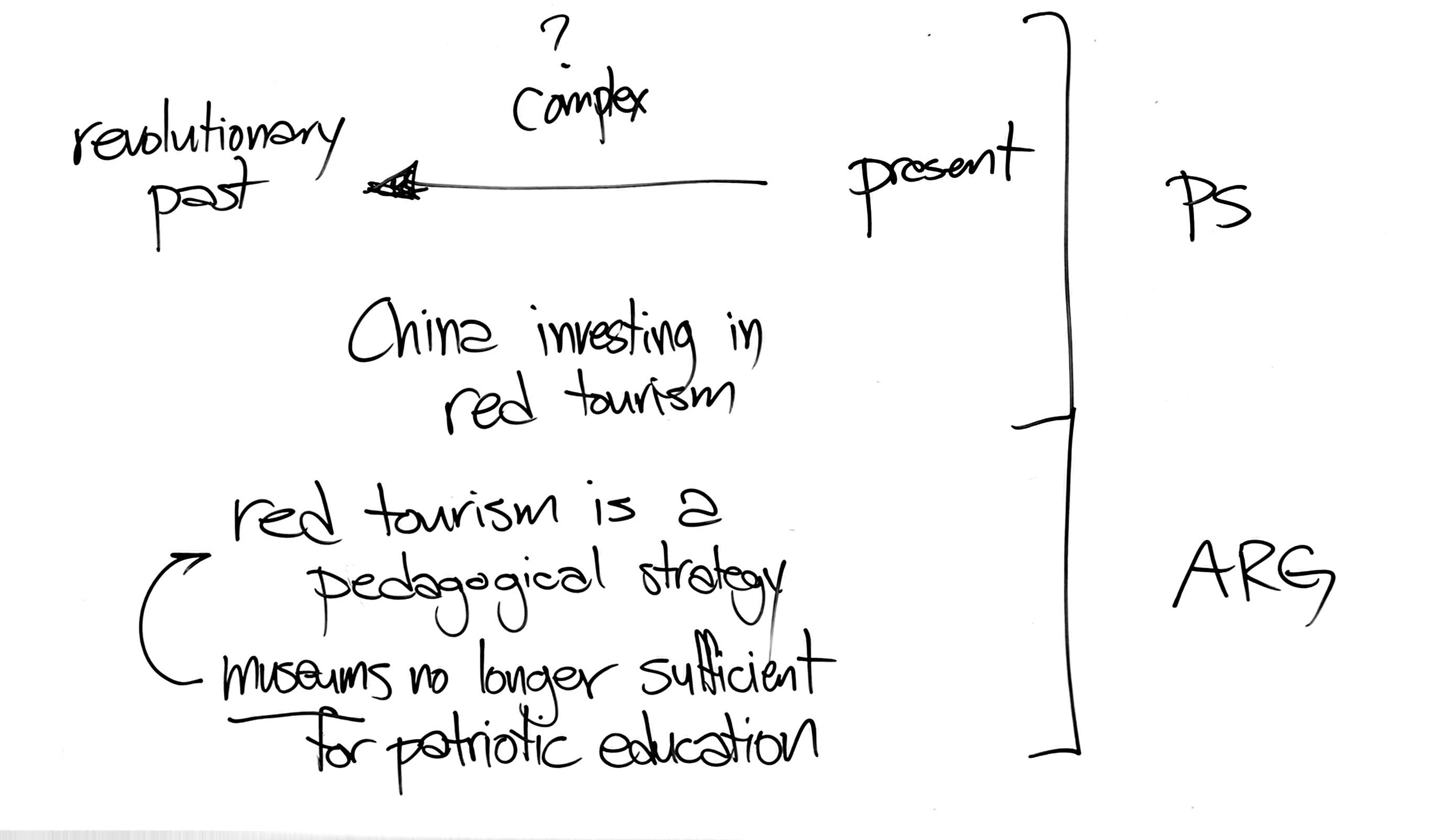
Red tourism
- red tourism 红色旅游
- the promotion and experience of important sites of China’s revolutionary history, particulary that of key figures and events in the Communist Part of China’s history
- a state project of “patriotic education” and extension of heritage from; a way of experiencing or participating in the nation
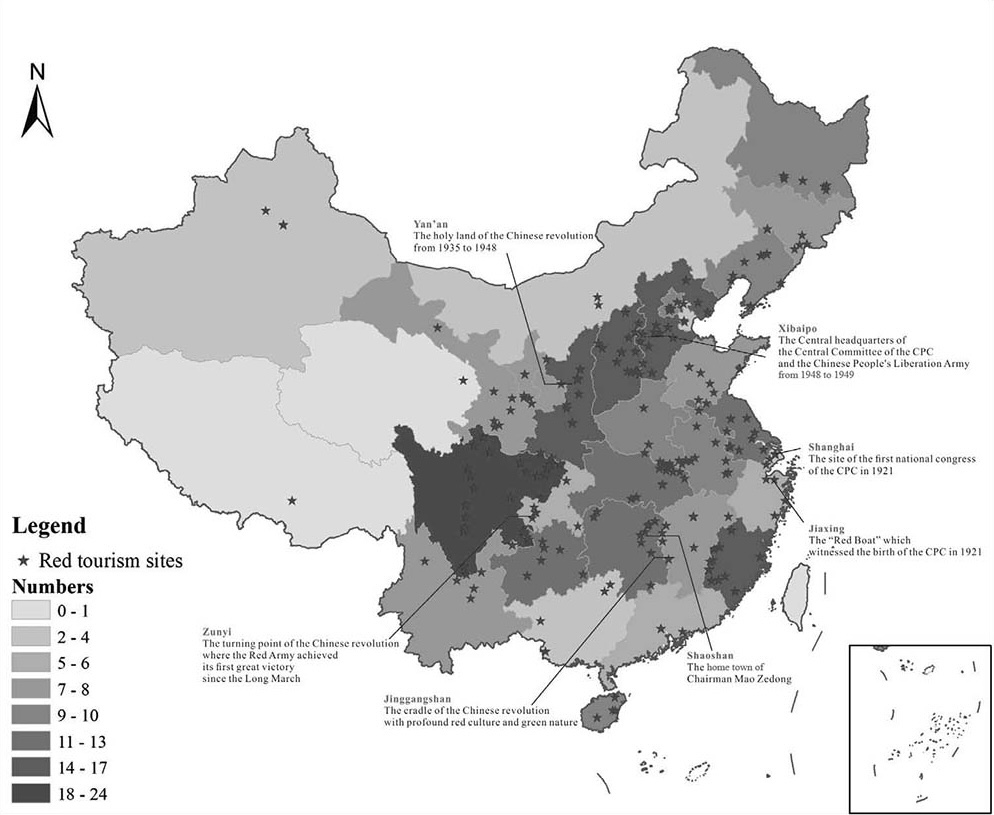
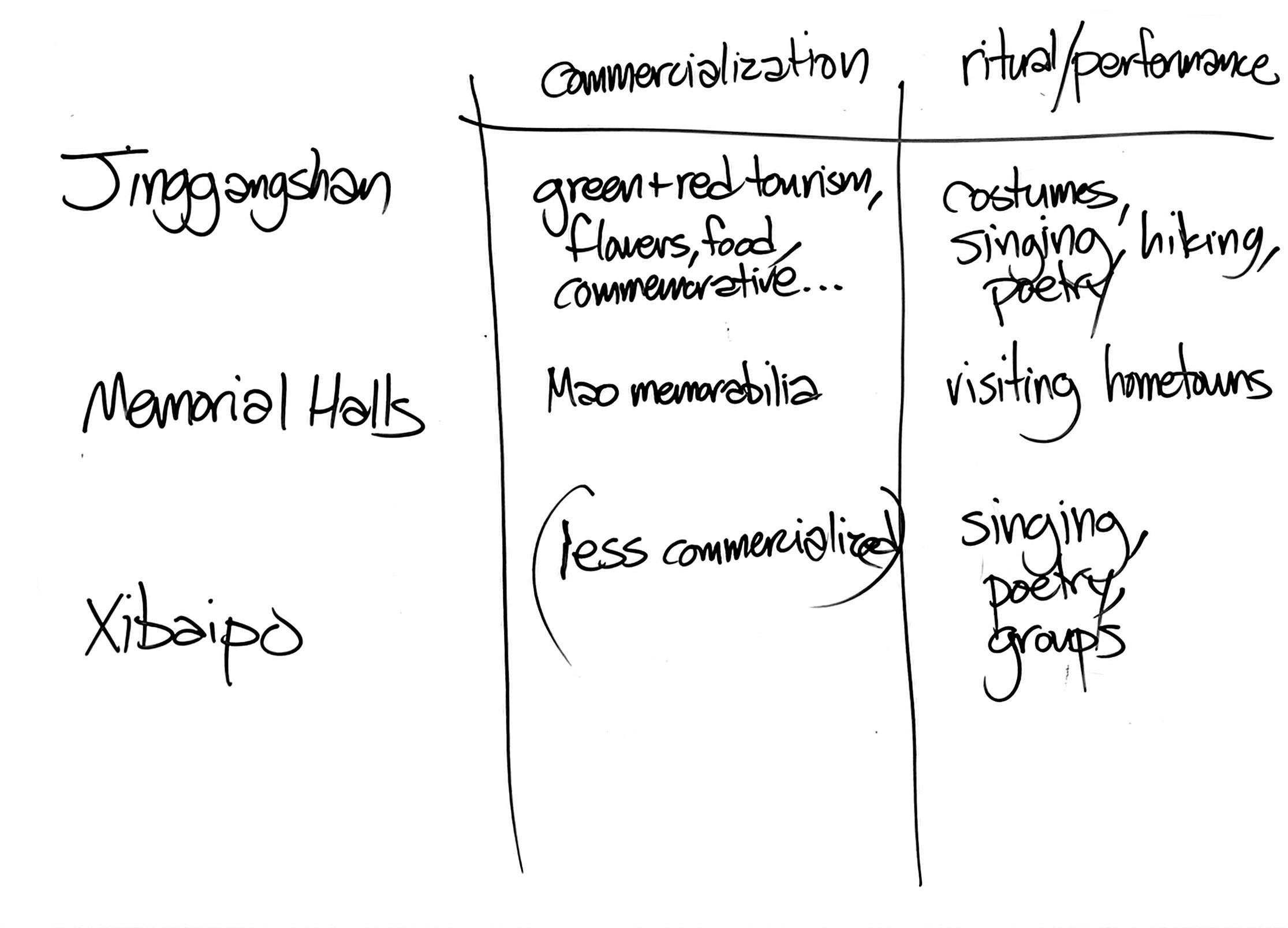
Mapping Denton’s evidence
In your group, focusing on the section in Denton (2013) below, analyze three aspects of red tourism that may be evident in the article:
| commercialization | state promotion or pedagogy | ritual or performance | |
|---|---|---|---|
| Group 1: Jinggangshan | |||
| Group 2: Memorial Halls | |||
| Group 3: Xibaipo |
Wrap up
- written Synthesis Reports for Thursday are due today (late is ok)
- library workshops on Chinese language sources
For next class
Review both Denton (2013) and Wang (2019) and think about how you might synthesize both authors’ ideas, especially around the idea of national landscape.
References
Denton, Kirk A. 2013. “Revolutionary Memory and National Landscape: Red Tourism.” In Exhibiting the Past, 214–42. Honolulu: University of Hawaiʻi Press.
Wang, Ju-Han Zoe. 2019. “National Parks in China: Parks for People or for the Nation?” Land Use Policy 81 (2019): 825–33.