3.1 Yellow River, Blue Ocean
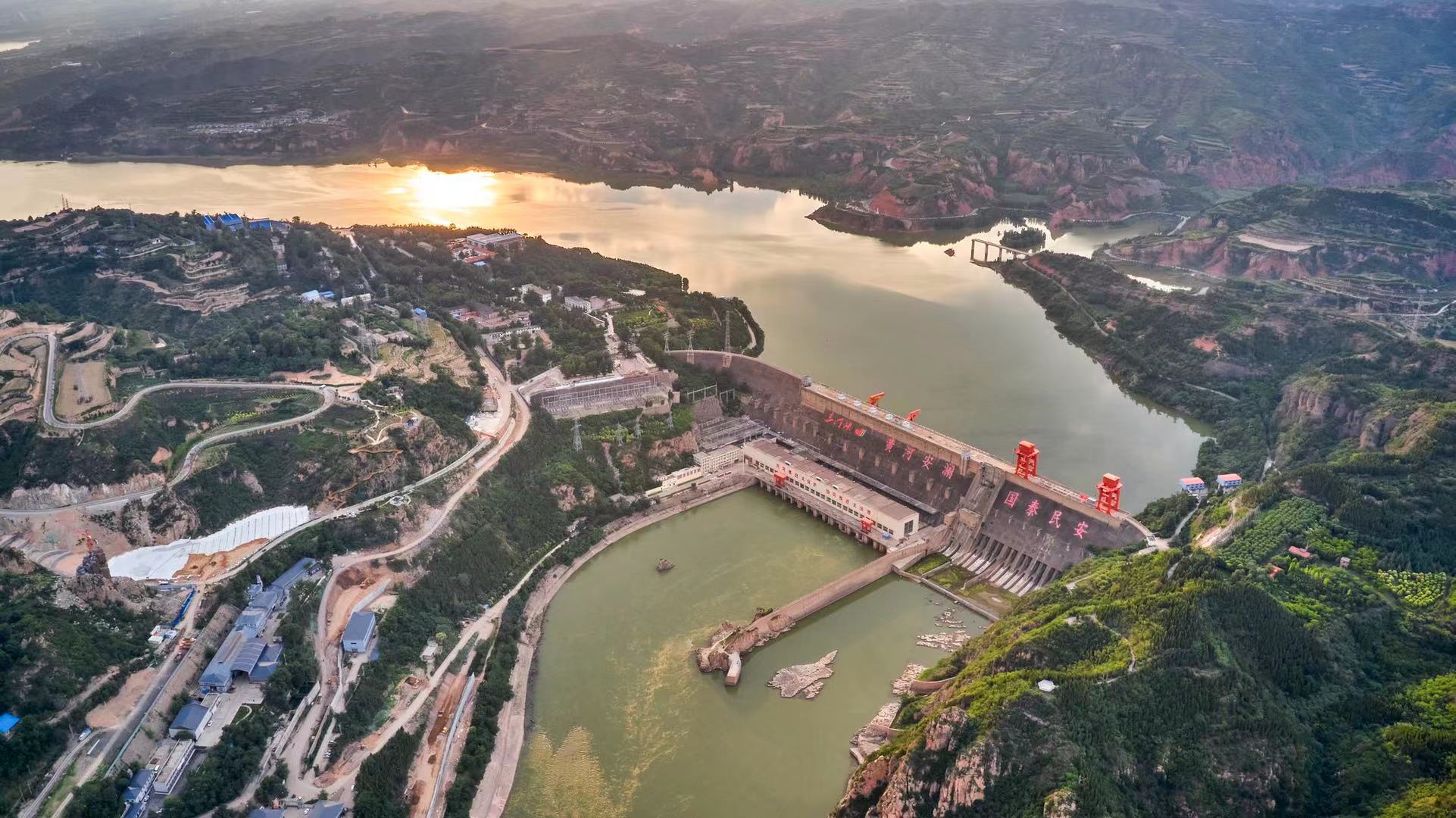
Sanmenxia Dam. Source.
Today
- Continue discussing the history of the Yellow River as a history of environment-society relations in China still relevant today.
- Discuss the fusion of state-building, nation-building, and infrastructure construction early in the PRC, and the political-ecological problem of the Yellow River.
- Discuss the cultural importance of the Yellow River as both the source and sorrow of Chinese civilization.
Reading Response
Discussion groups – Weeks 3 to 4
| Class | 1 | 2 |
|---|---|---|
| 3.1 | Yiran S. | Yijun S. |
| 3.2 | Zifei W. | Vera B. |
| 4.1 | James S. | Julia G. |
| 4.2 | Lucy L. | Veronica V. |
The Yellow River as a political-ecological challenge
…few other rivers have become so identified with national consciousness as the Yellow River. Few other comparable agricultural regions have existed in such an ecologically vulnerable state as the North China Plain, and no other landscape in the world, in both its spatial and temporal profiles, has been as transformed by humans as the North China Plain. Finally, no other region has required as much investment to retain some semblance of ecological equilibrium as the North China Plain. This commitment to ordering the waters, one that has been sustained for centuries, must necessarily continue. A complete breakdown of the artificially managed hydraulic system of the North China Plain would create the sorts of disorder that polities are not likely to survive. (Pietz 2015, 133)
Emerging from civil war, the CCP immediately faced a perpetual challenge:
- 1949 and 1950 Yellow and Huai rivers flood
- 1950 Zhou Enlai: Yü the Great; Mao: “We must fix the Huai. 一定要把淮河修好。”
- 1950 Control the Huai Movement: the first attempt at mass mobilization
- 1952 Mao’s tour of the North China Plain: his first trip post-1949
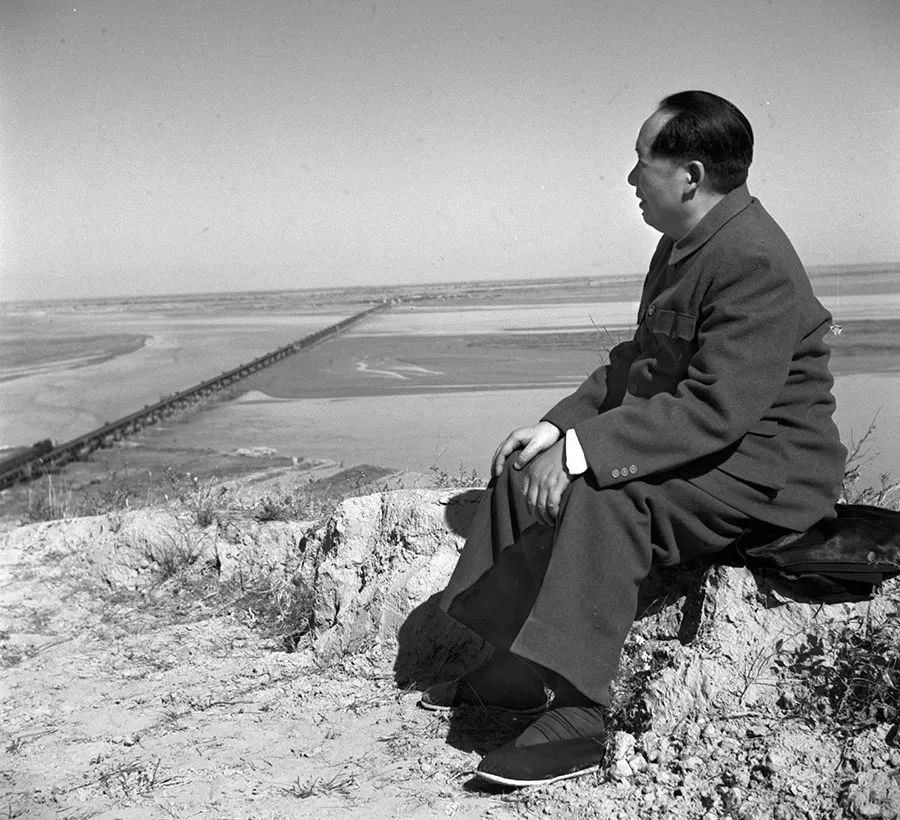
These responses fused three concerns:
- state-building (institutions)
- infrastructure (industry and water management)
- national identity (culture, see below)
Pietz, “Making the Water Run Clear” (Chapter 4)
It will not be long before all the deputies here and the people of the whole country see the day when the age-old dream comes true – when the Yellow River runs clear. –Deng Zihui, 1955
This is an ambitious chapter, in sections:
- The Huai River Project (1950-1952)
- The Yellow River Conservancy Commission
- annual dike building and flood control projects
- The People’s Victory Canal
- 1950+, divert Yellow to Wei River/Grand Canal
- The Soviet Union and the Creation of a Technology Complex
- The 1954–1955 Yellow River Plan
- Soviet expertise, water storage and regulation, Sanmenxia
- The “High Tide” of Water Conservancy
- 1955 mass-irrigation campaign
- surprising success of collectivization (179–80)
Because China had little access to foreign capital and insufficient capacity to produce large quantities of chemical fertilizers, Mao favored the development of irrigation through mass labor inputs to rapidly expand agricultural production. (175)
- The Struggle over Sanmenxia (see image above)
- Prelude to the Great Leap: The Farmland Irrigation Campaign, 1957–1958
- mass-organized, small-scale water conservancy projects changed the rural landscape; a trial for Great Leap industrialization
“Hybrid” technology complex
There are elements of two broad approaches, which we might describe in terms of modernity:
- “modern” approaches
- capital-intensive, international cooperation, technical expertise, technical knowledge, central management
- The 1954–1955 Yellow River Plan
- “non-modern” approaches
- labor-intensive, self-reliance, ideological commitment, indigenous or local practices, local management
- The “High Tide” of Water Conservancy; Prelude to the Great Leap: The Farmland Irrigation Campaign, 1957–1958
- hybrid technology complex
- technology complex: “the entire range of goals, actors, material, institutions, and tools organized to support a single project or a set of projects” (153)
- combines modern science and technology (foreign-trained engineers, Soviet experts) with traditional Chinese approaches (156)
- in Mao’s words, to “walk on two legs”
The Yellow River as a cultural idea
Pietz in the “The Dilemma for State and Party” section (in Chapter 6), and Lawler’s article, both discuss important cultural aspects of the Yellow River. We will discuss this more next class, but we will first watch clips from Heshang
River Elegy 河殇. About 15 min.
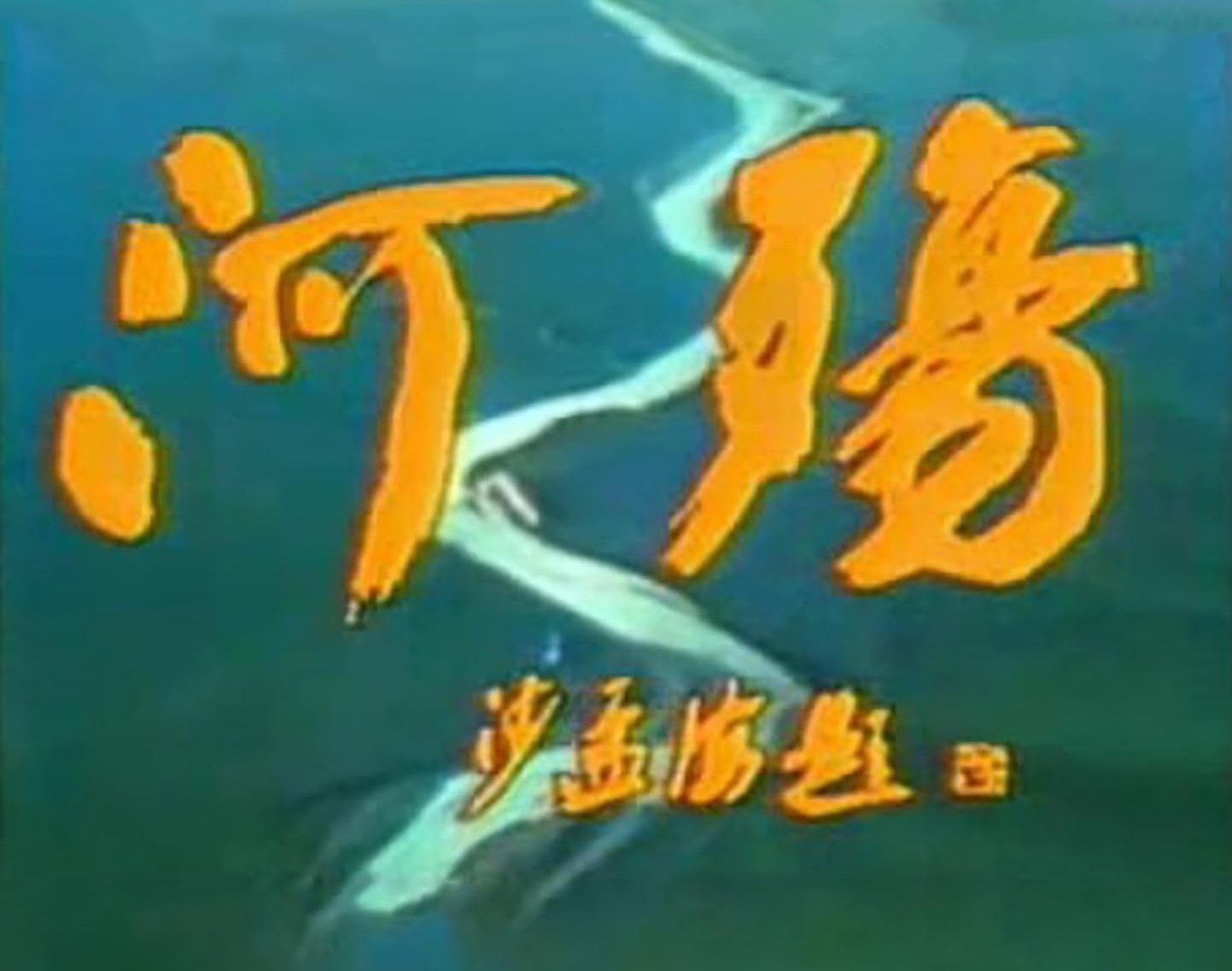
Geographic metaphors
In your group, discuss your general reactions to the film clip. Then discuss the geographic metaphors tied to ideas of the Yellow River and “yellow earth” (黄土), and then those of the “blue ocean.”
Keep notes you can refer back to next class, as we will continue the discussion by bringing in more archaeological evidence from Lawler’s reading.
Wrap up
- “View your work” at the top of Google Classroom Classwork
- China Gazetteer: Topic Idea due Monday, Sep 21
For next class
- We will continue today’s discussion, and aim to synthesize the readings so far in the course.