8.1 Nation and Territory
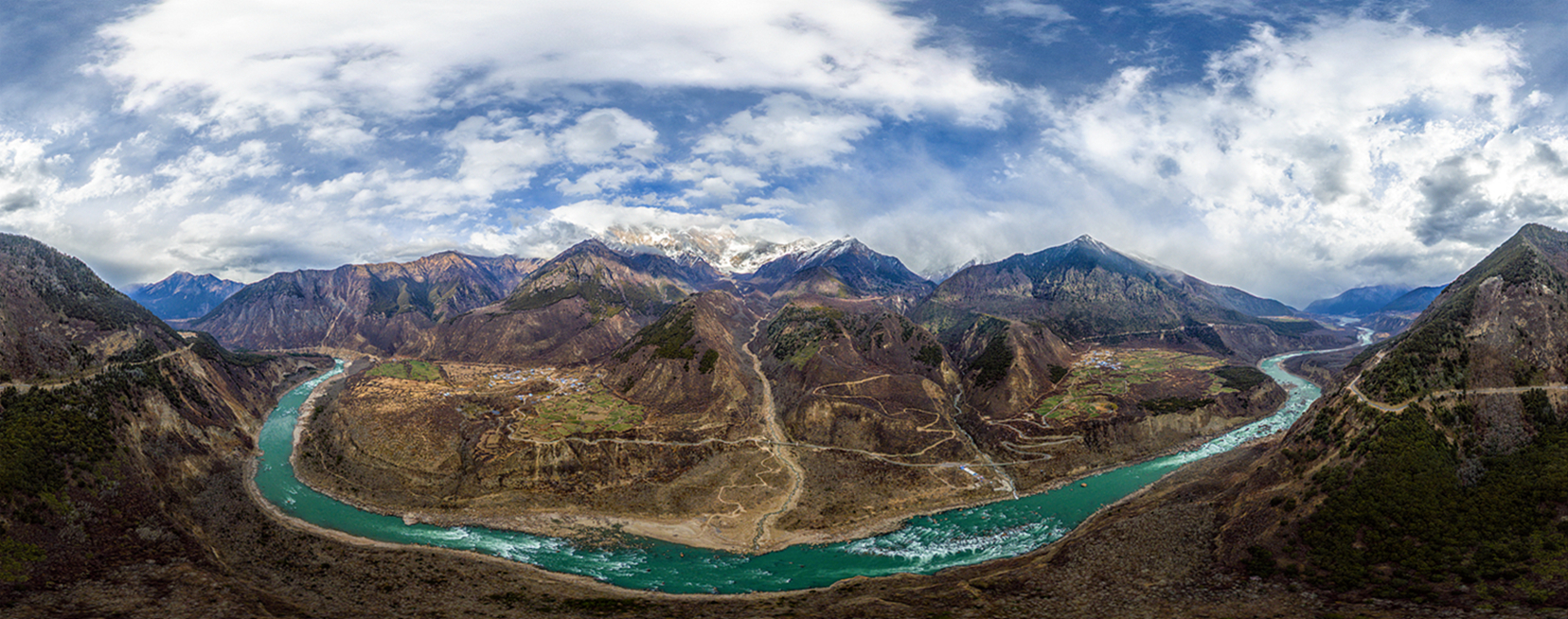
Yarlung Tsangpo River, Nyingchi, Tibet Autonomous Region. Source.
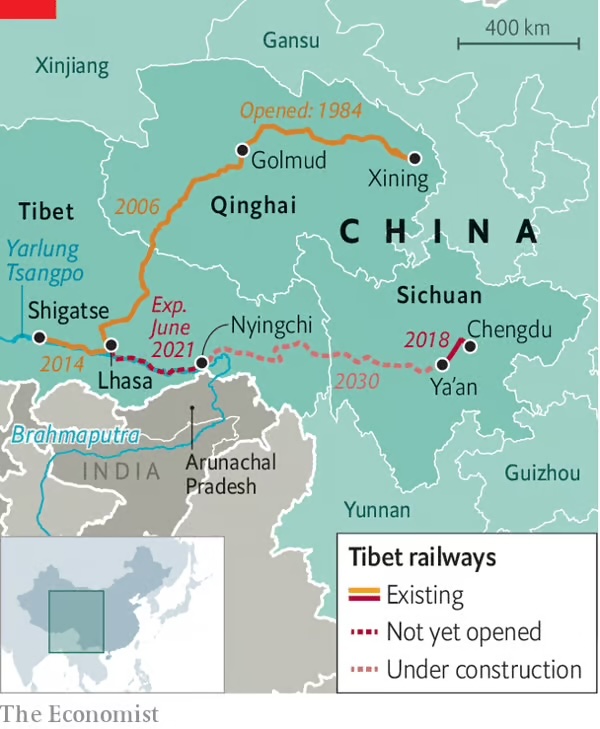
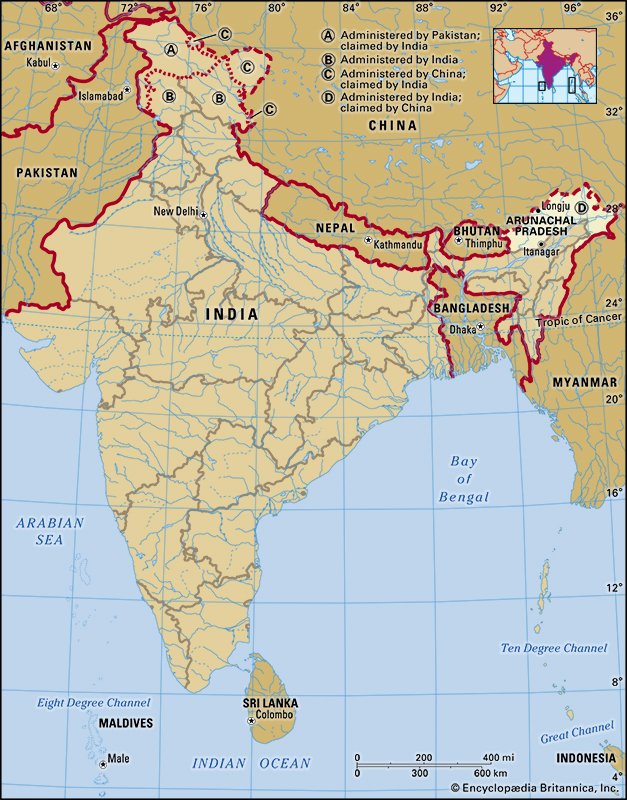
Today
- Explore the political geography of nationalism and state-building, focusing on early 20th century political movements.
- Reflect on the relationship between nation and territory, and the role that the Chinese state played in producing a modern nation to correspond with a modern sovereign territory.
Reading
Fitzgerald (1995)
Key concepts
- state
- nation
- stateless nation
- nationless state
Reading Response
Discussion groups – Weeks 8 to 9
| 1 | 2 | |
|---|---|---|
| 8.1 | Yiran S. | Veronica V. |
| 8.2 | Zifei W. | James S. |
| 9.1 | Lucy L. | Julia G. |
| 9.2 | Yijun S. |
What we aren’t discussing: geopolitics and sovereign borders
- geopolitics = geography + politics; the study of the geographic relationships between sovereign states or movements aspiring to statehood; often a synonym for “international relations,” but more importantly the study of the geographic factors that make states and their relations possible; often focuses on state claims, counter claims, disputes and conflicts.
- While related, this is not what we’re focusing on in this discussion of territorialization.
State and nation
- state
- a relatively enduring system of political institutions that claims sovereign authority over a defined territory and its population; a territorial organization
- a state makes and enforces collectively binding rules, and maintains the capacity to govern through administration, law, taxation, and coercion
- an important focus for us: the state is also reproduced through social practice and relations, not only through institutions
- government
- the organizations and people currently directing the state administration; can change without threat to the state
- nation
- a community of people with a shared origin, language, and tradition (perhaps); ‘Ultimately, communities are nations when a significant percentage of their members think they are nations’ (Norman 1991, 53).
Nationless state
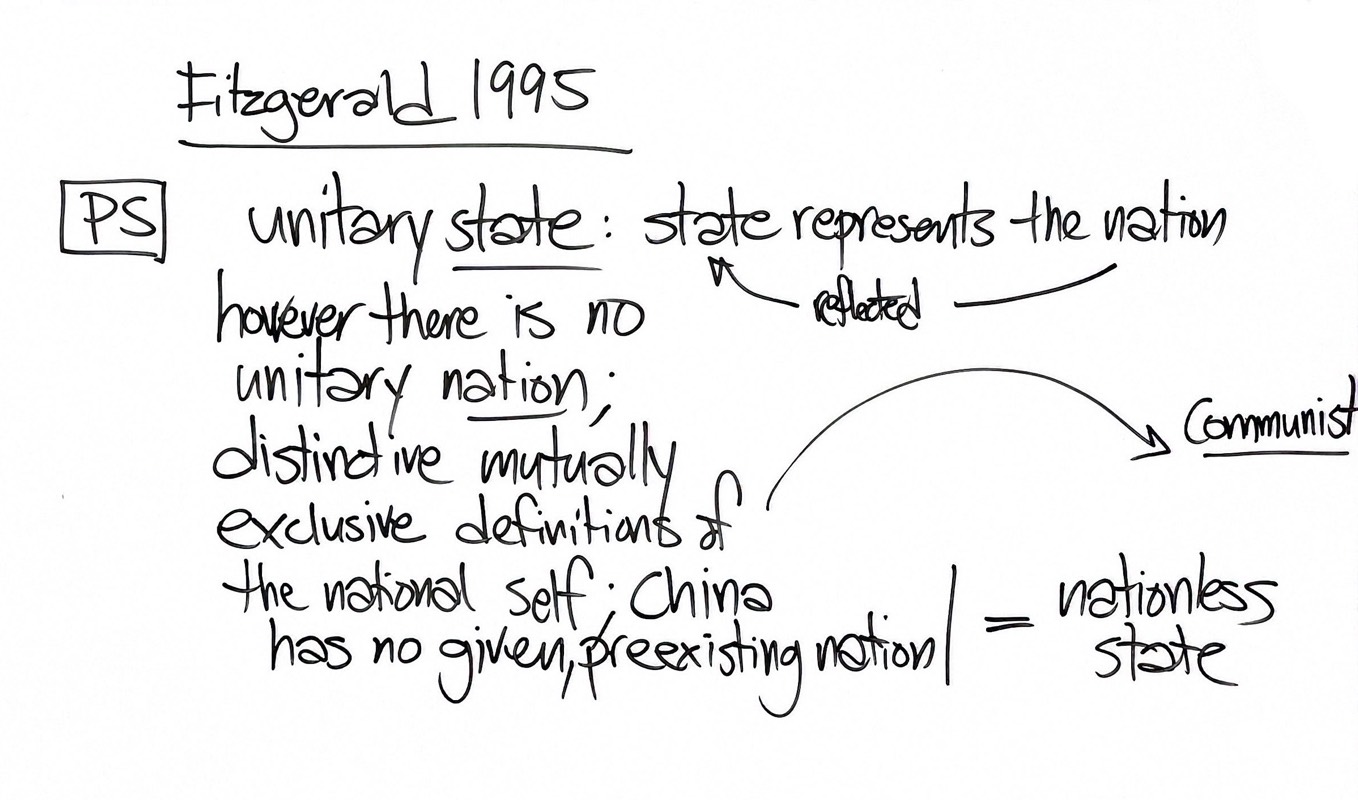
Let’s map Fitzgerald’s (1995) PS, ARG and primary historical cases (EV) in order to clarify his conceptual approach to understanding China’s early 20th century.
Exploring Fitzgerald’s historical cases
- Let’s look together at pages 84–87 for more detail on the problem at hand: no pre-existing nation.
- In your group, focus on one of the three state-building movements Fitzgerald discusses n pages 87–90, citizen and race (Group 1), and class (Group 2). Prepare to share key details from your movement.
- Let’s conclude by moving back to pages 77–78, where Fitzgerald explains his idea of the “nationless state.”
- nationless state
- “The historical development of a state…which operates in the name of an indeterminate nation that the state itself identifies and summons into being” (Fitzgerald 1995, 77).
- There is no pre-existing nation for a state to identify. Rather, nation-building is inseparable from state building.
- This is the reverse of the more common understanding of a “stateless nation,” a nation that exists independently of a state.
For next class
- Our goal today was understanding some key concepts of state and national territory. Next class we will be working with these ideas in relation to your China Gazetteer topic. How might political geography, especially ideas about state and nation, inform your research?
References
Fitzgerald, John. 1995. “The Nationless State: The Search for a Nation in Modern Chinese Nationalism.” The Australian Journal of Chinese Affairs 33 (1995): 74–104.