10.1 Nation, Archaeology, Genetics
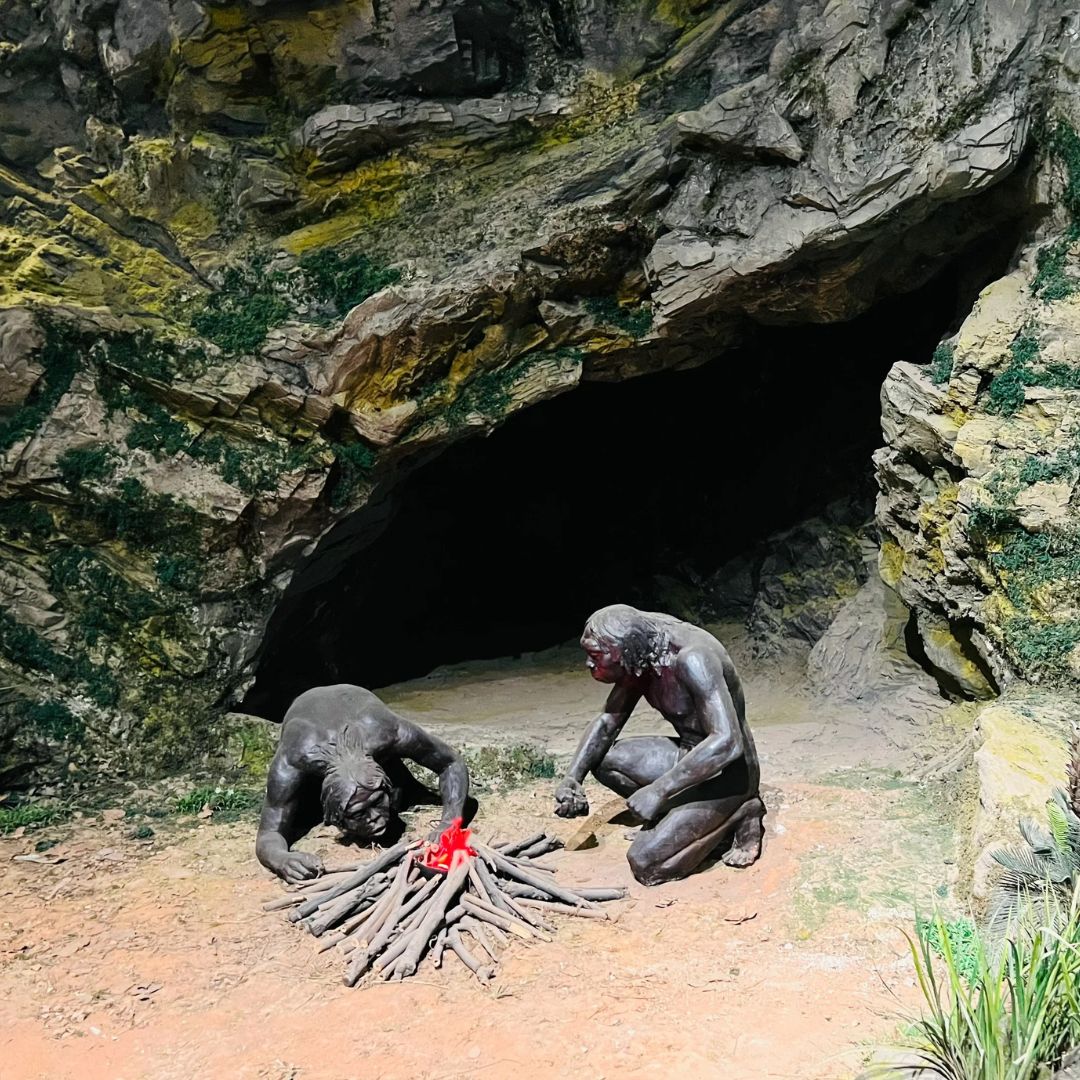
Fire and Chinese civilization: the Zhoukoudian Peking Man Site, Beijing. Source.
Today
- Extend previous class discussions of archaeology, nation, and geo-body with concepts of human evolution and ancestry.
- Analyze the connections between territory and paleolithic human ancestors.
- Compare positions on the roots of Chineseness, in science as well as popular discourse in China.
Reading Response
The Yellow River, and Beyond
Let’s briefly review “unitary nationalism” and class 3.2, including Pietz on the Yellow River/North China Plain, and Lawler’s survey of archaeological evidence.
How China became China is no mere academic topic; it goes to the very heart of how the world’s most populous and economically vibrant nation sees itself and its role in the world. (Lawler 2009, 931)
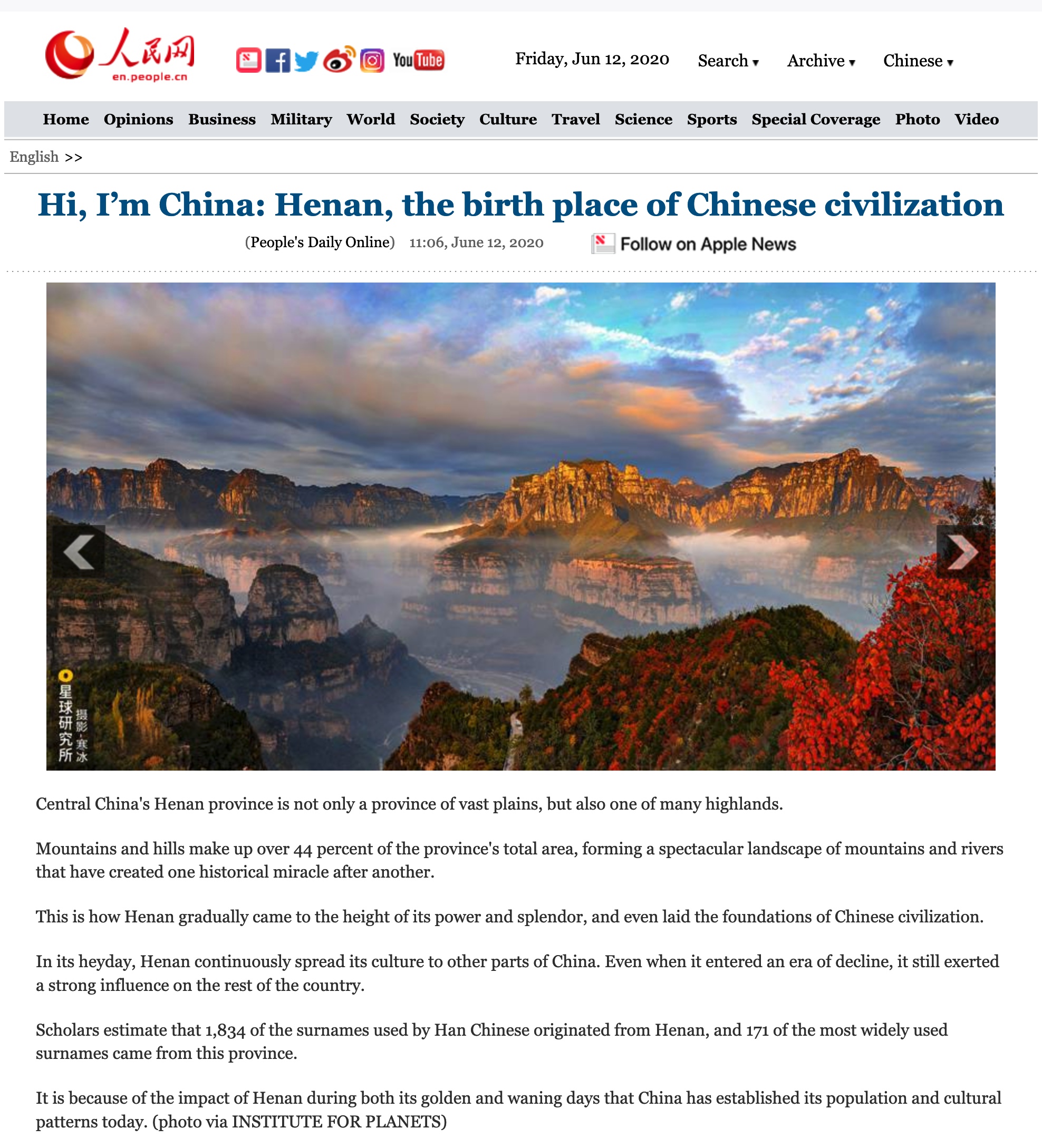
One Nation Under Xi: How China’s Leader Is Remaking Its Identity
from The New York Times (11 Oct 2022):
At a time when the United States, Russia, India and other countries have experienced their own resurgent nationalism, Mr. Xi’s vision is also aimed at inoculating China against unwelcome influences, especially from the West. In May, Mr. Xi told the Politburo, the party’s top 25 officials, that Westerners often wrongly viewed China as just a modern nation-state.
“They don’t view China from the vantage point of over 5,000 years of civilization,” he said, using an often-used but disputed dating of its origins, “so it’s hard for them to truly understand China’s past, present and future.”
At its extreme, Mr. Xi’s insistence on a singular Chinese identity has led to charges of cultural genocide from scholars and foreign countries, citing the mass detention of Uyghurs and other largely Muslim groups in Xinjiang.
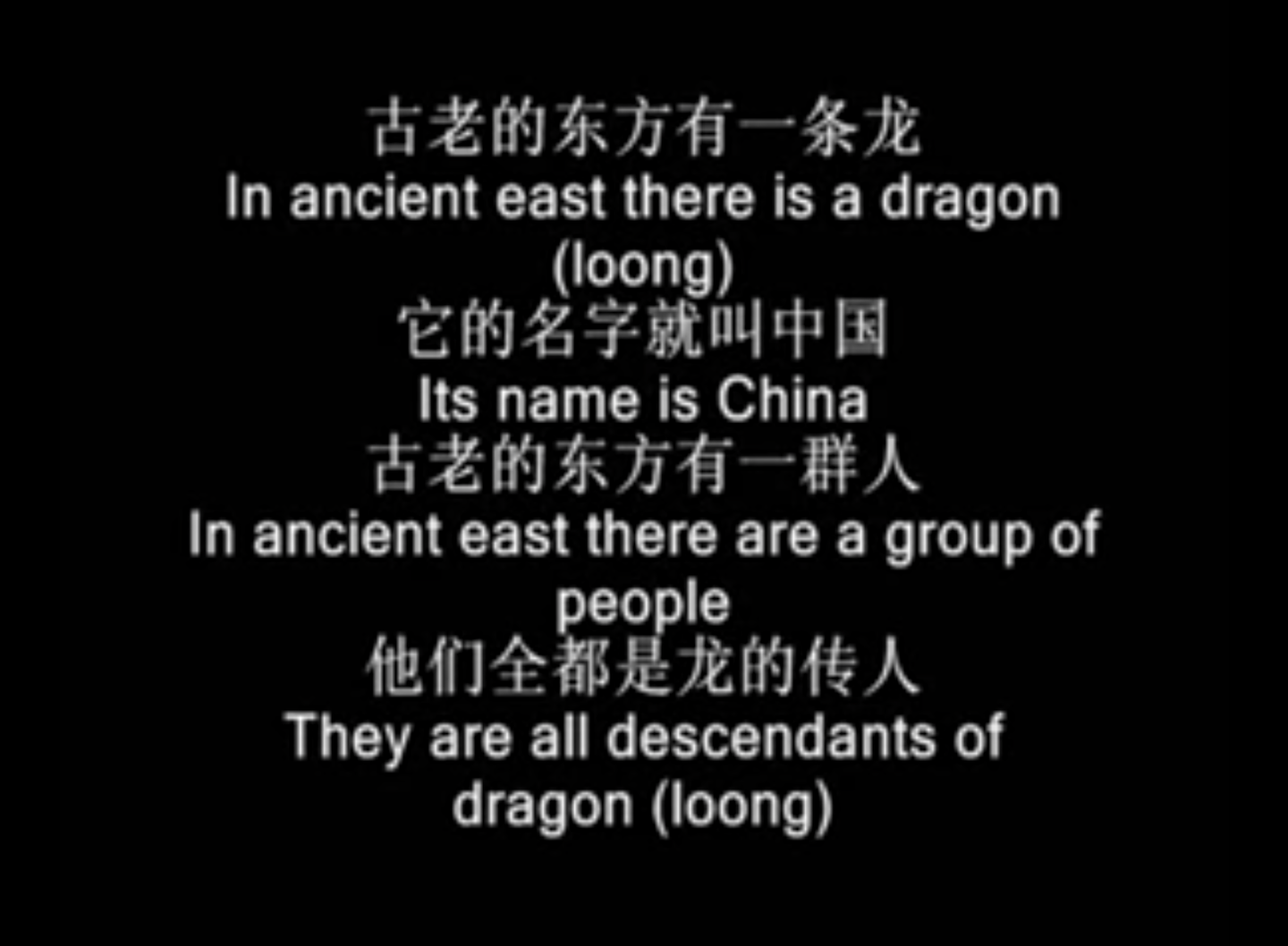
Cheng’s PS and ARG
Let’s start by recognizing there are multiple layers to this article, and sorting them out should help the evidence and analysis stick.
In your group, focus on the first and last sections of Cheng (2017) and pull out as many possible variations of PS and ARG as you can.
Genetics (AOC) vs. Paleoanthropology (COC) in China
Are modern humans (Homo sapiens) in East Asia descended from recent African migrants (Africa-origin Chinese, AOC) or evolved locally from ancient hominids like Peking Man (China-origin Chinese, COC)?
AOC (Genetics)
Modern Homo sapiens migrated out of Africa 60,000 to 125,000 years ago and completely replaced earlier hominid populations (Homo erectus) globally. There are no direct biological descendants among modern humans from Peking Man.
COC (Paleoanthropology)
“Multiregional evolution with incidental hybridization” (or the “river network” hypothesis): there was continuous local evolution from Homo erectus to modern Chinese with minor gene flow from foreign groups
“Homo Sinensis” and the Geo-Body
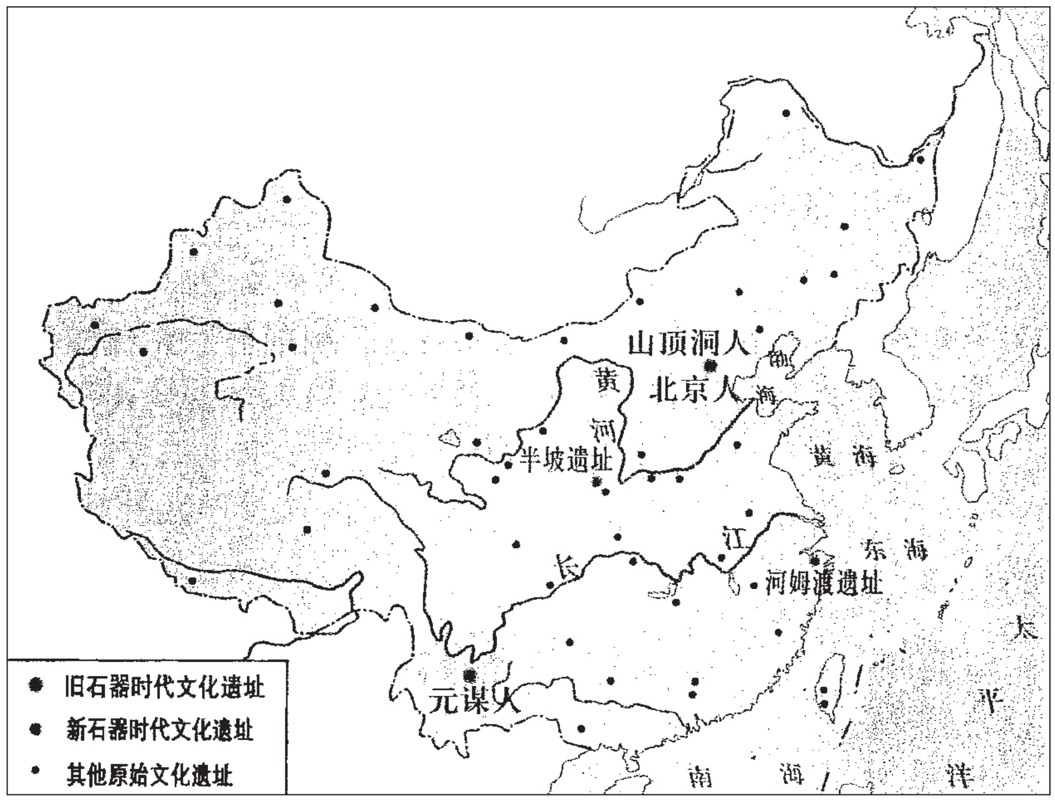
The state-sanctioned narrative: Chinese identity (or Chineseness) is rooted in an unbroken, 700,000-year biological lineage stretching directly from Peking Man (Homo erectus) to the modern Zhonghua minzu (Chinese nation).
Homo Sinensis is an ideological construction (not archaeological evidence) that traces desirable Chinese cultural traits (altruism, endurance, diligence) back through prehistoric bloodlines: China’s modern rise is rooted in a million-year-old biological vitality
Prehistoric archaeology serves as a tool to map and enclose the modern state’s geopolitical vision (geo-body) backward into deep time.
Ultranationalism vs. Liberal Internationalism
Ultranationalist Position
The AOC genetic hypothesis is a “Western conspiracy” or “national nihilism” intended to dissolve national cohesion, divide the populace, and weaken Chinese bloodlines.
Liberal/Internationalist Position
AOC genetic findings are useful as a tool to debunk state historical myths, reject racial chauvinism, and affirm global human equality.
Synthesizing ideas
- What is the state’s position on AOC/COC?
- How is biology interpreted as evidence for a racial Chineseness?
- How does the idea of paleolithic ancestors relate to territory?
Wrap up
- Review schedule and essay draft assignment
For next class
- Prepare a question about the guest lecture reading, ideally something that synthesizes other material.